Goal 1: No Poverty
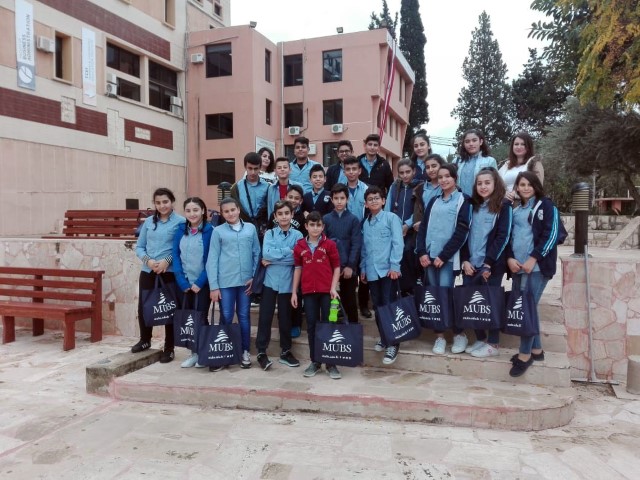
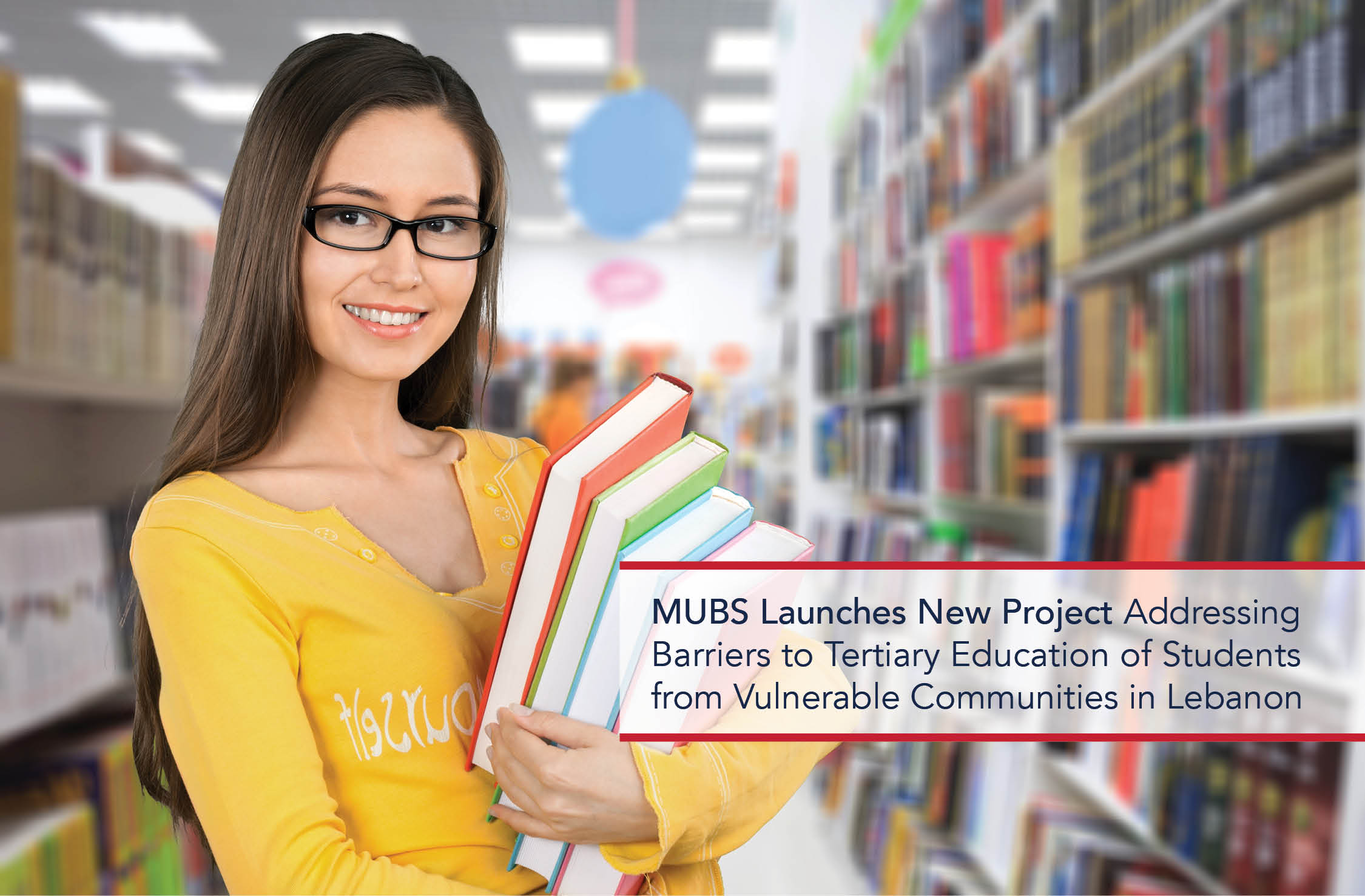
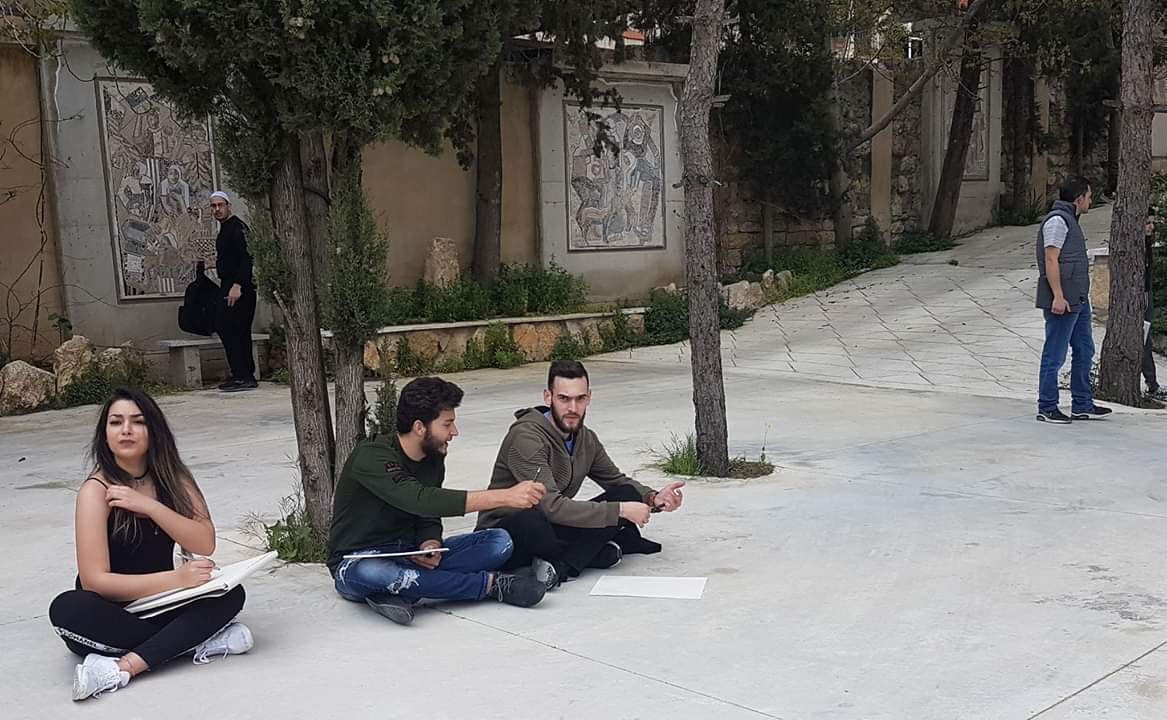
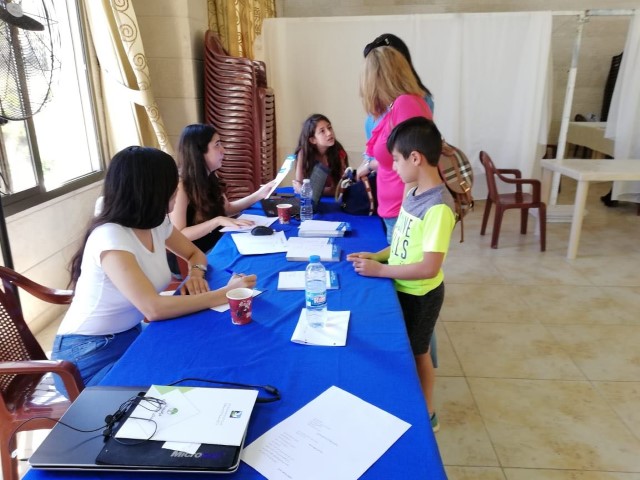
MUBS campuses are located in rural and urban regions to ensure that all have an equal chance of completing their higher education. MUBS has maintained its credit price and is the lowest in comparison to other universities yet offering high-quality education. Students are offered flexible payment; scholarship and financial aid forms are available to the public to apply to.
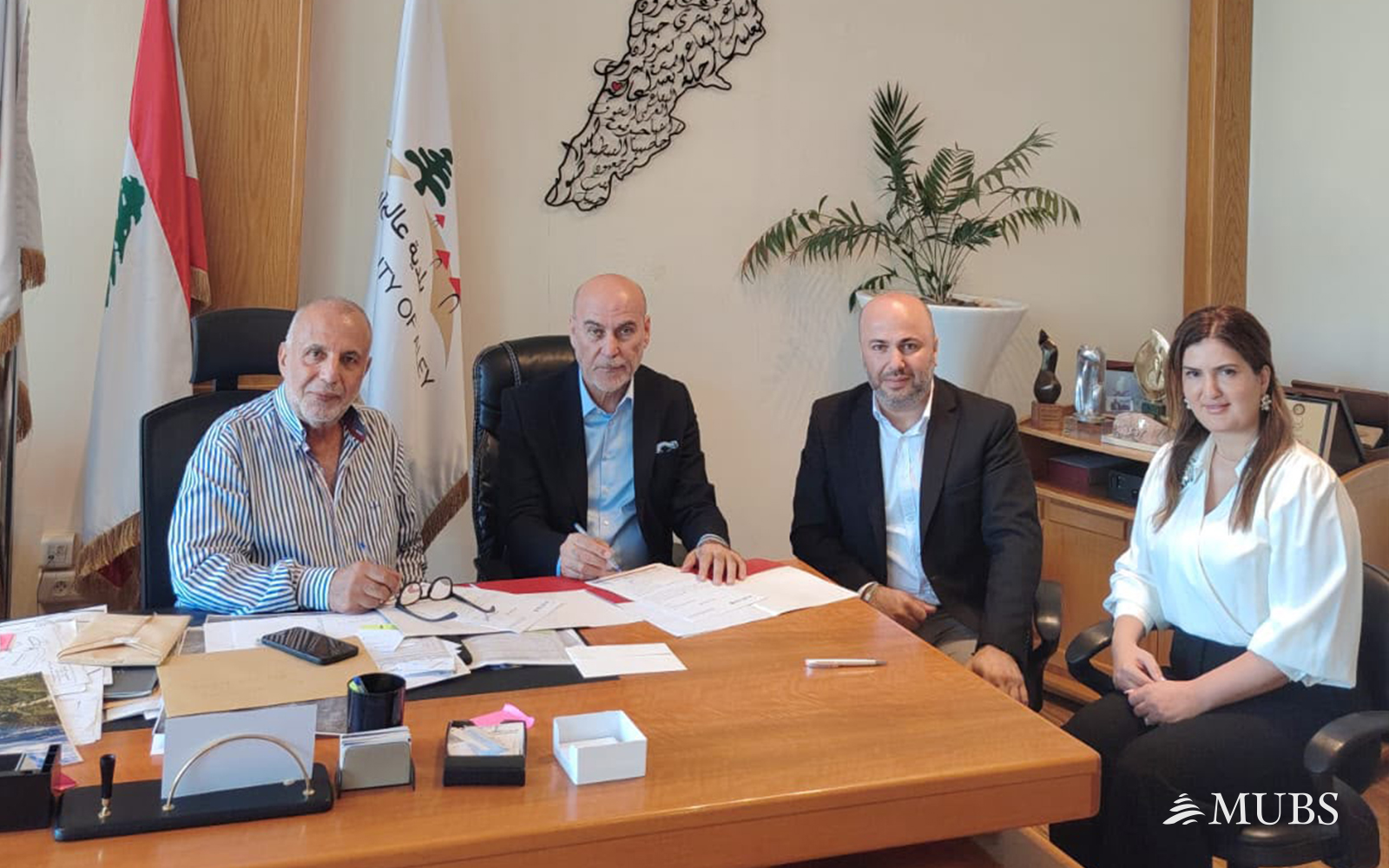
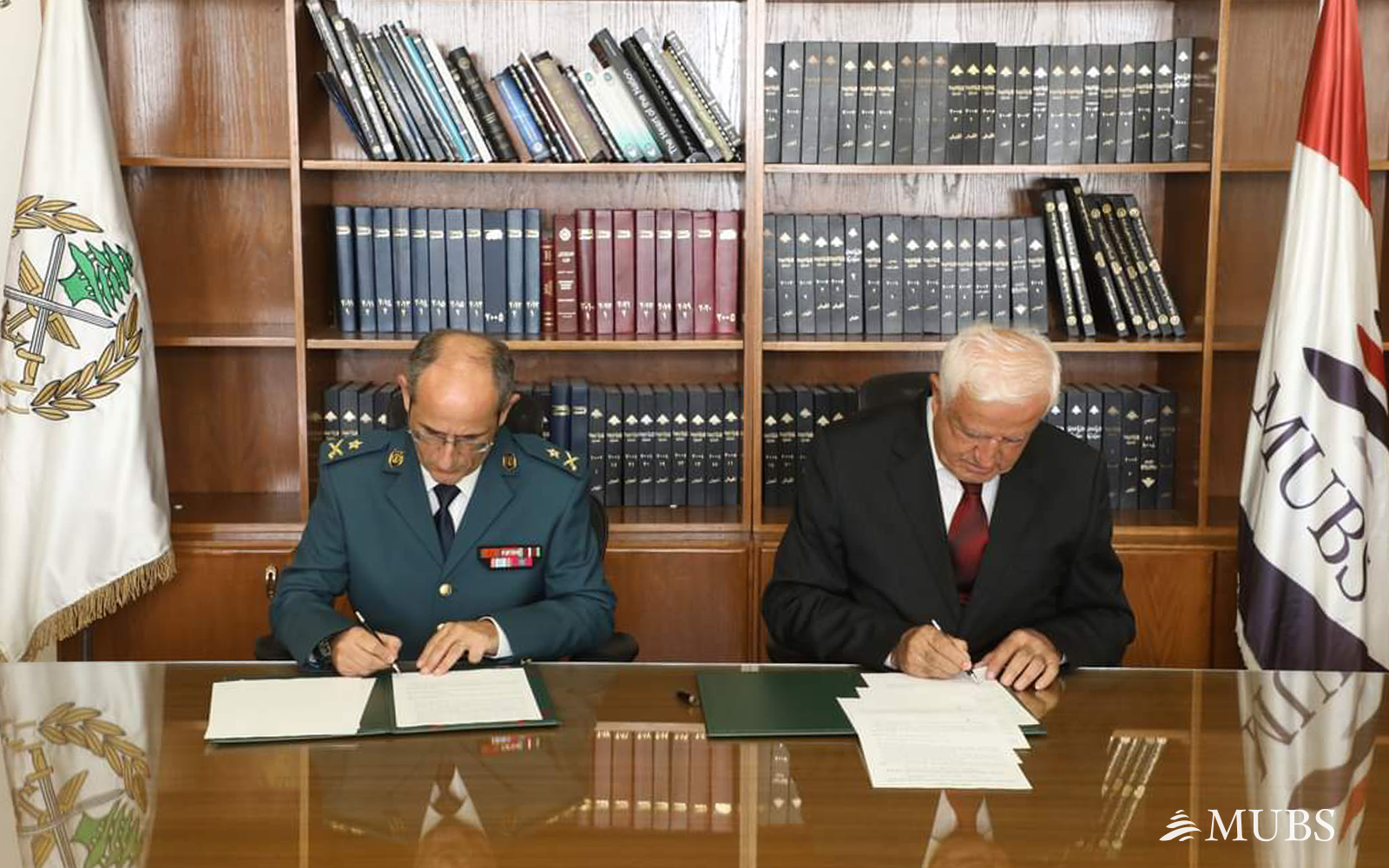
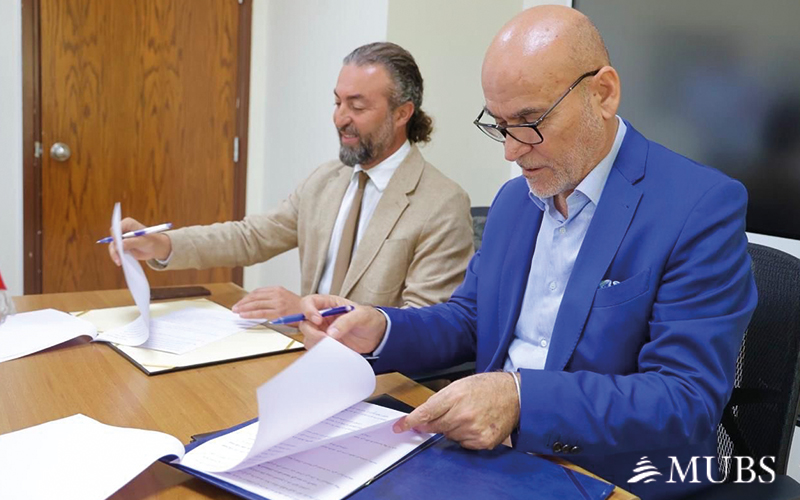
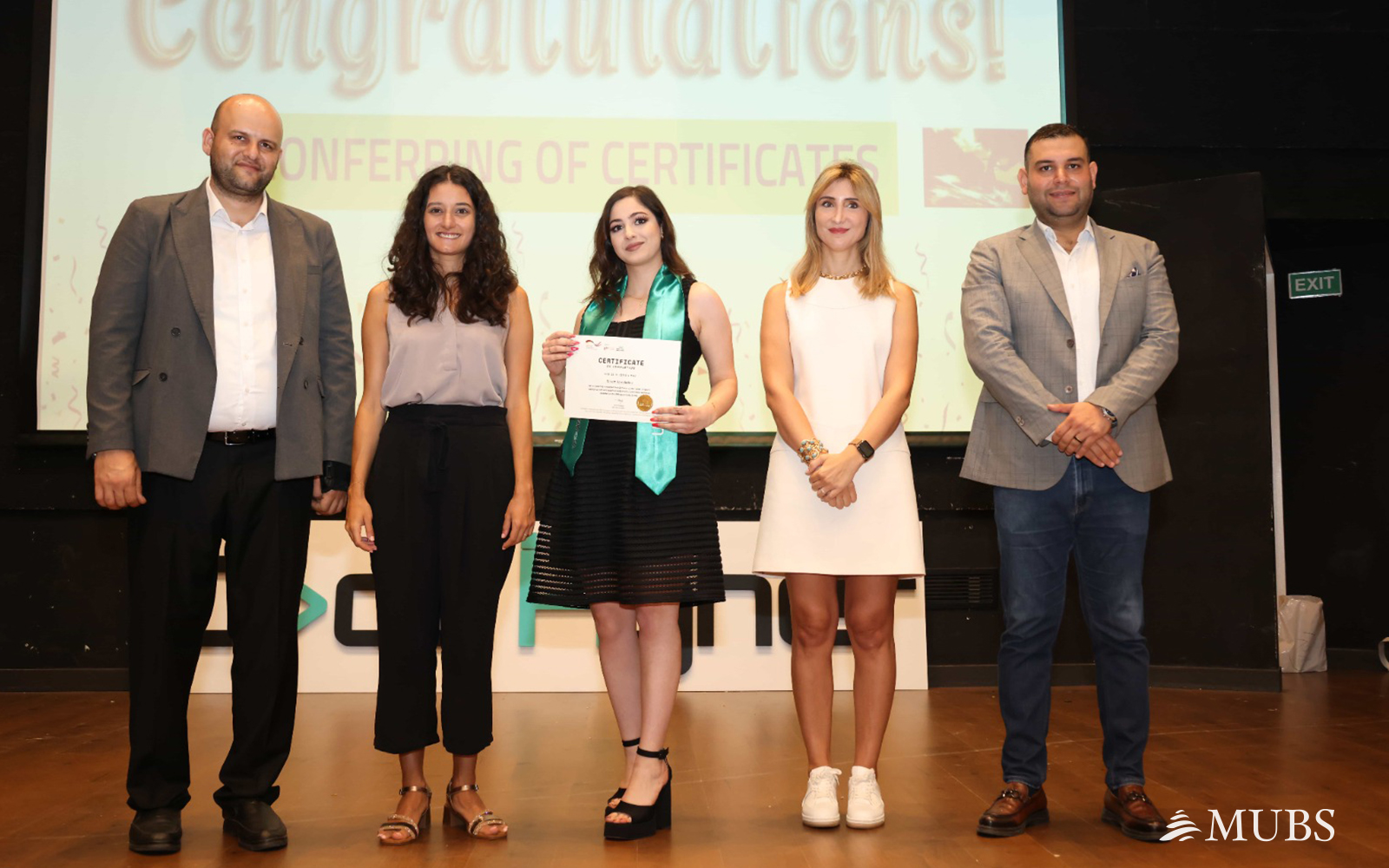
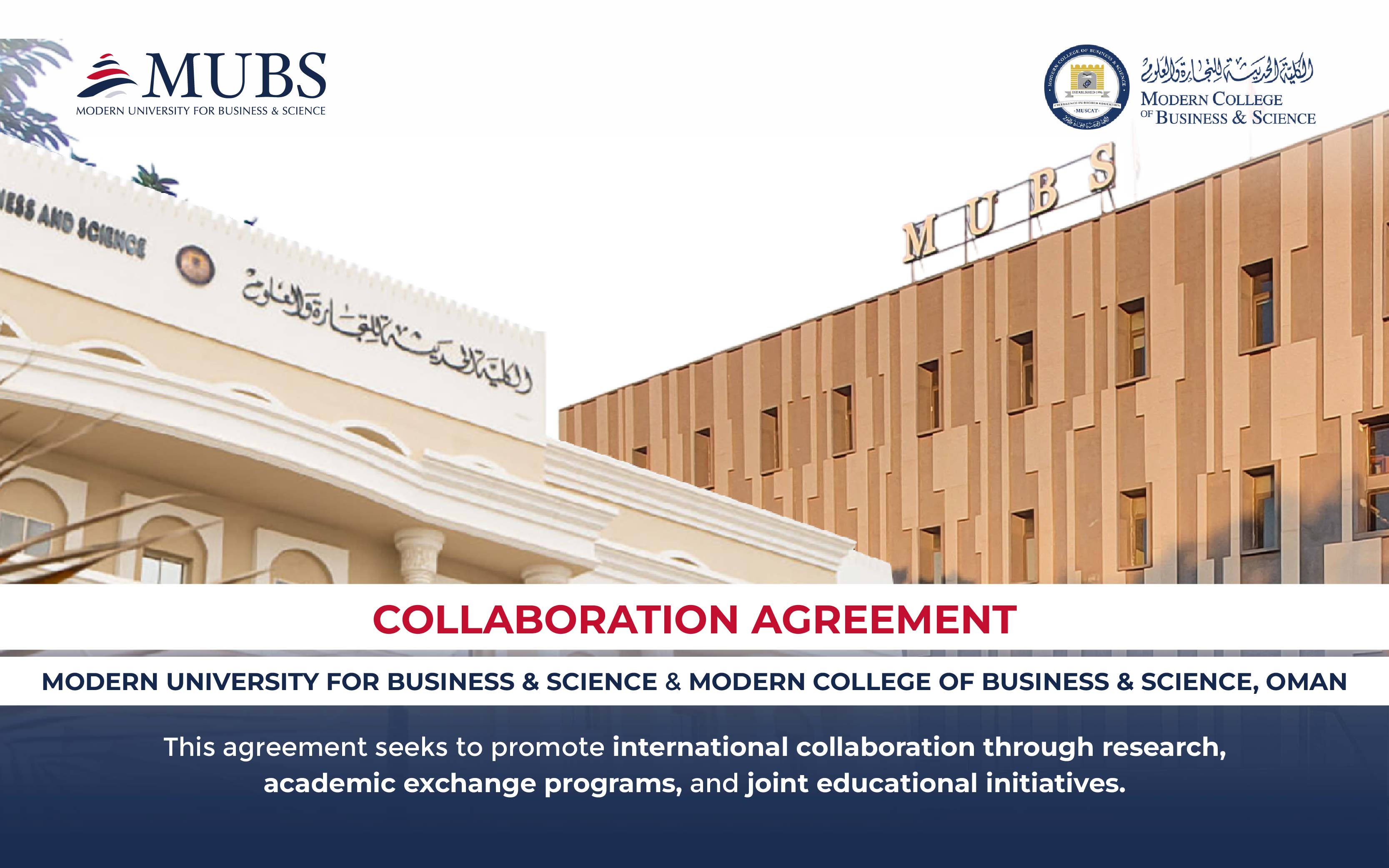
Through numerous collaborations, MUBS offers scholarships to schools, municipalities and NGOs. Those specific scholarships range between 50 to 80%. MUBS collaborates with KIRON, a German NGO which helps Syrian and Palestinian refugees continue their education and offers their students scholarships between 20% to 60%.
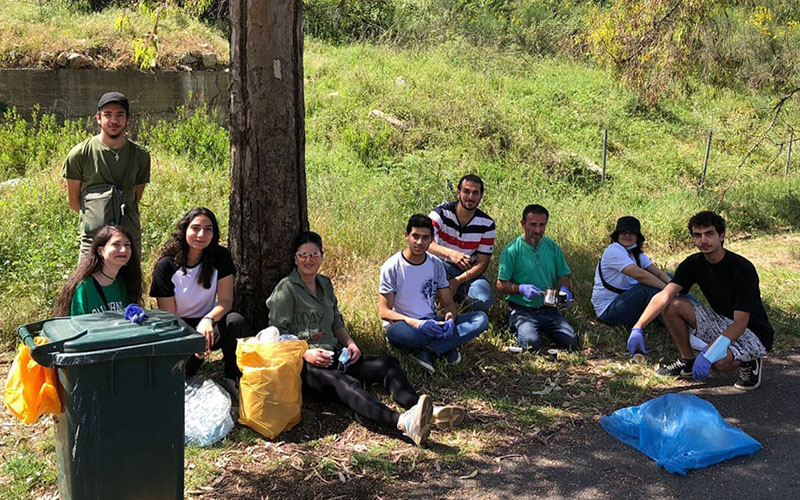
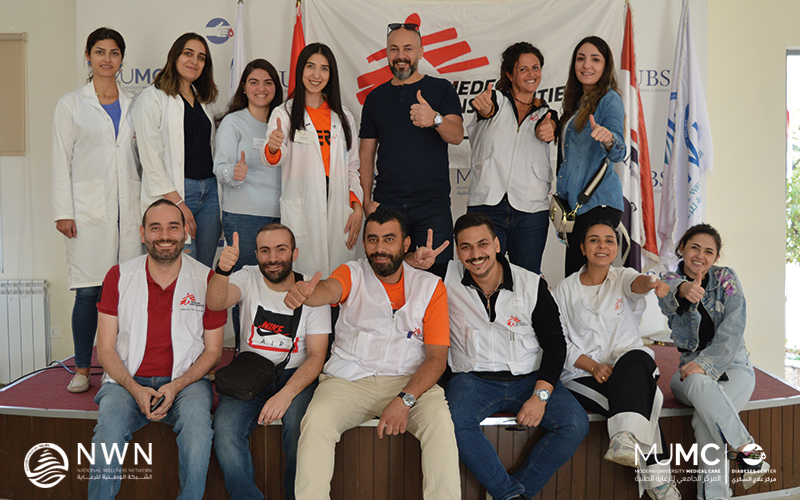
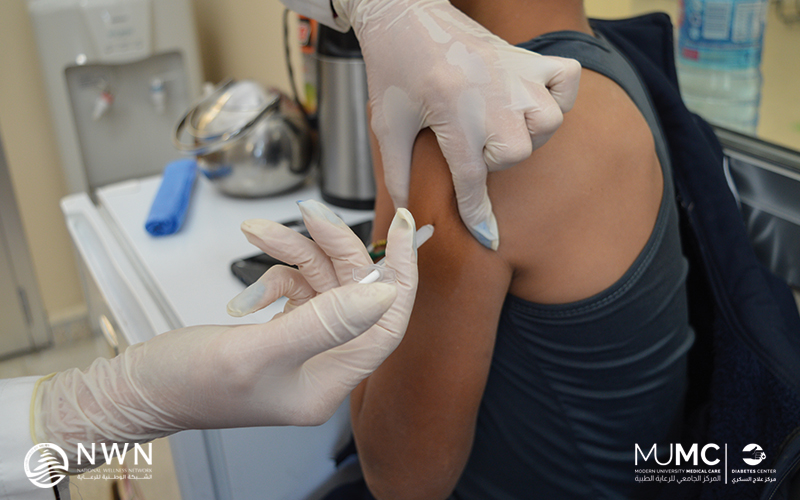
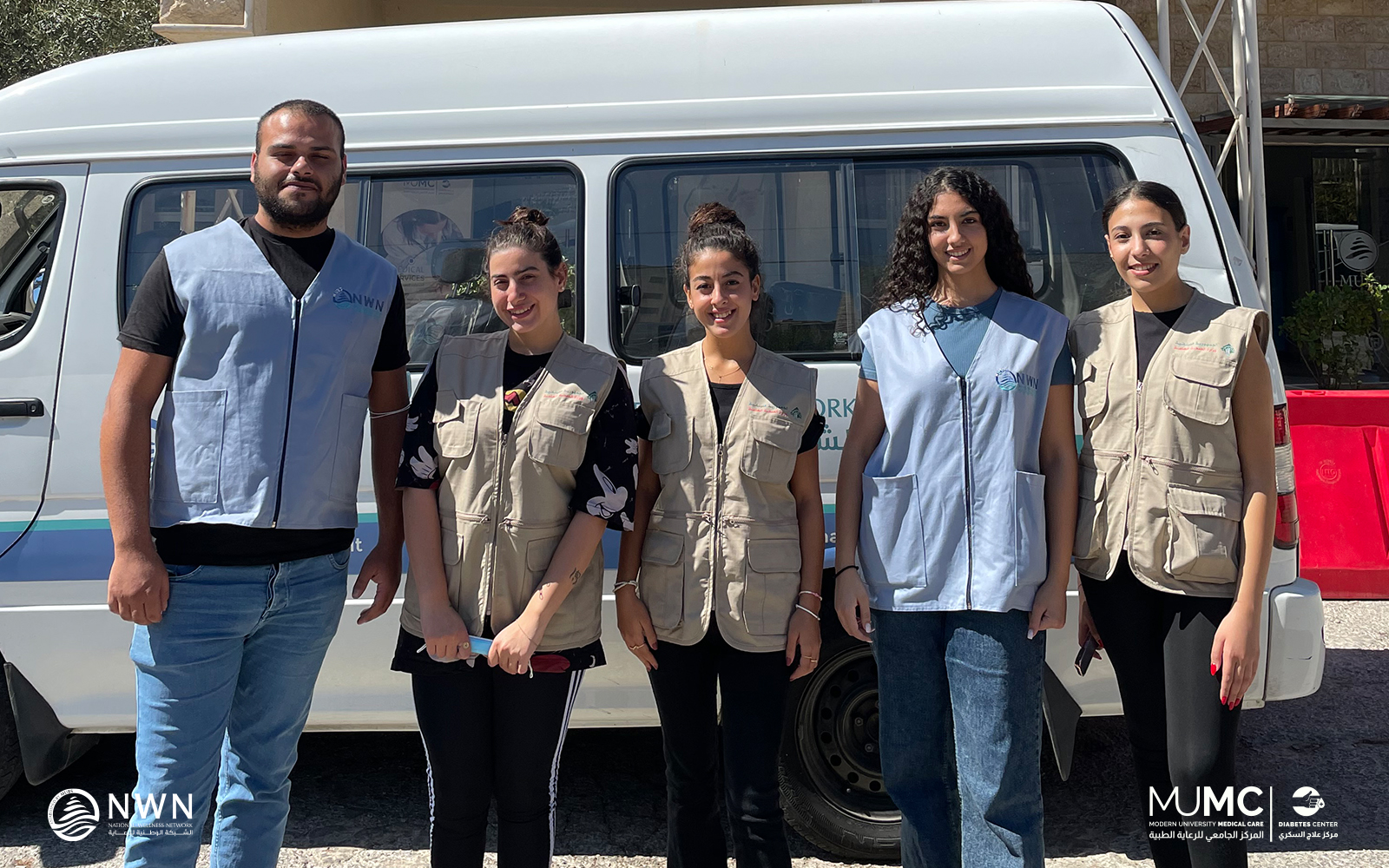
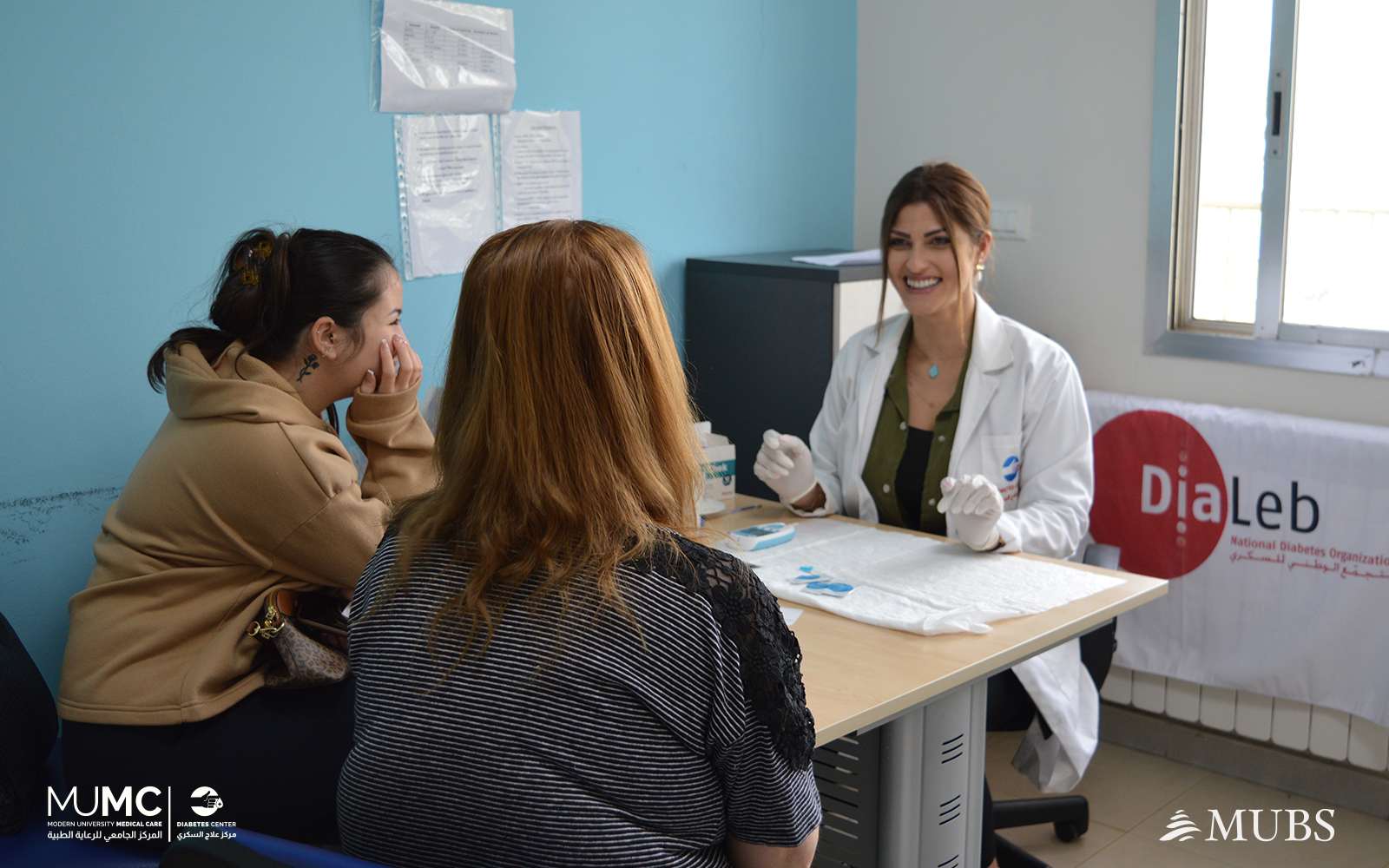
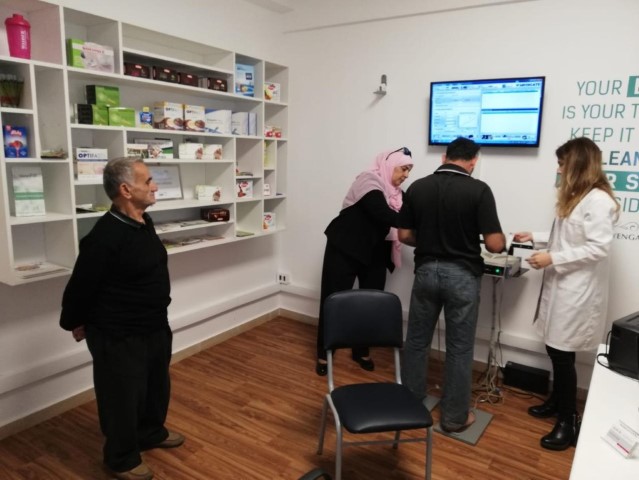
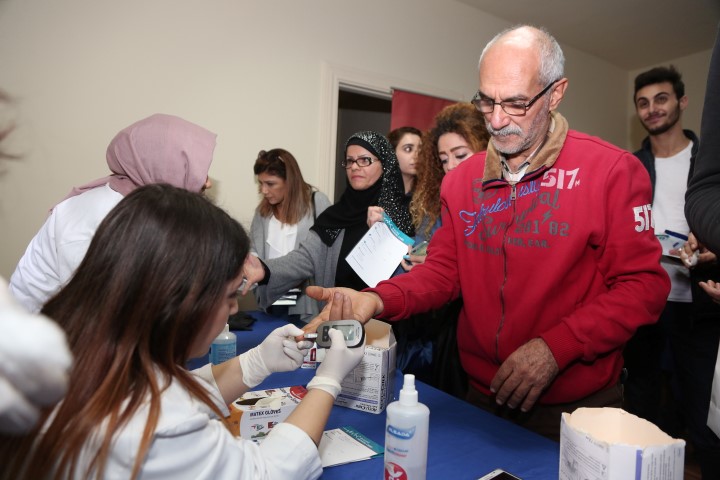
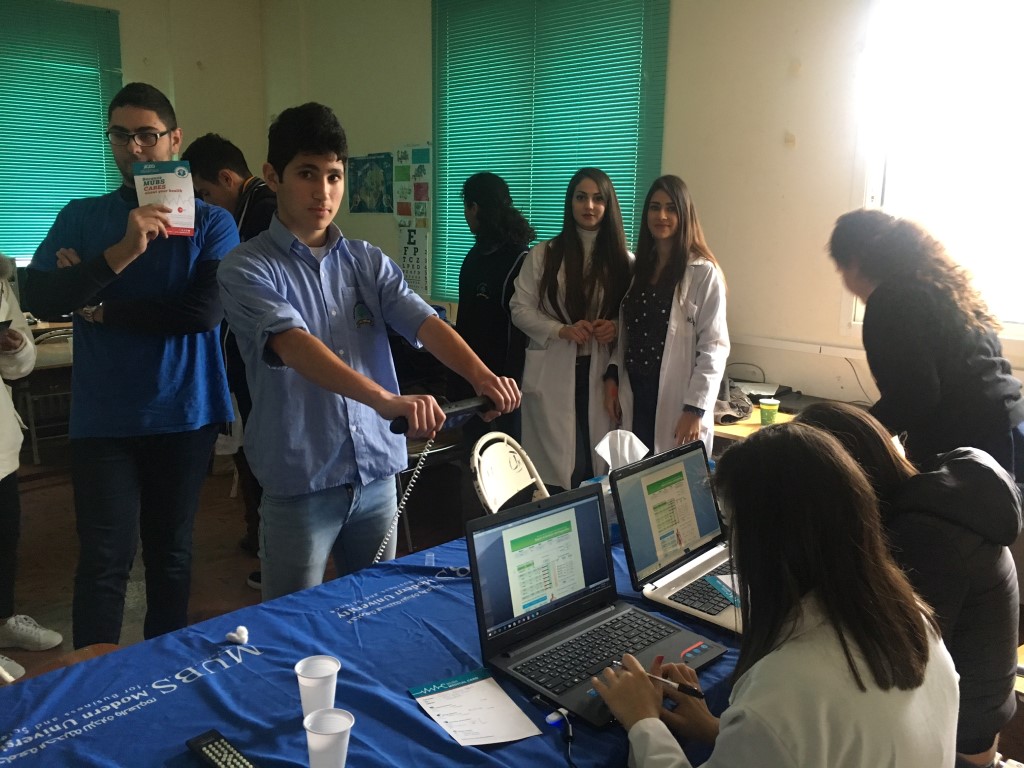
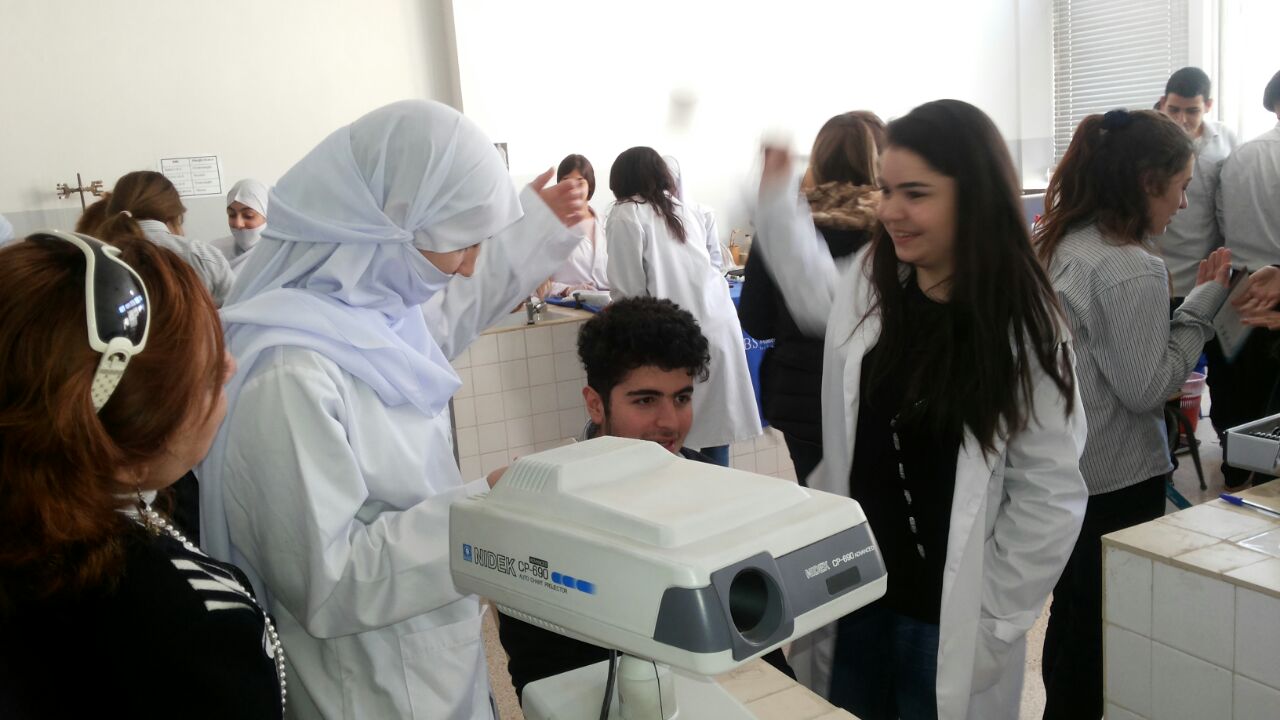
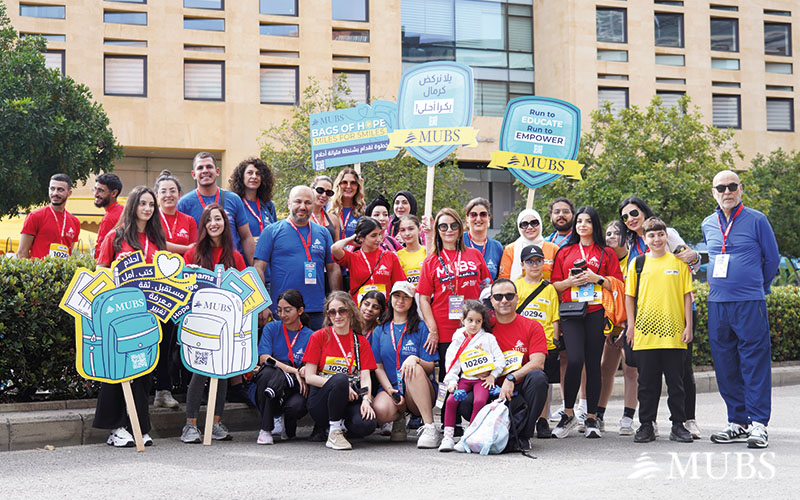
MUBS organizes charitable campaigns to donate various essential services and products. These initiatives, led by MUBS staff and students, include food, health services, clothing, medication, and training
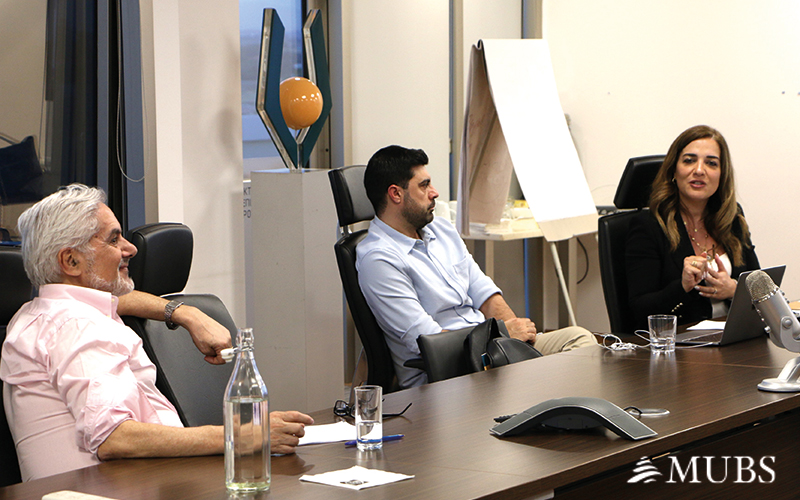
MUBS is also active in organizing round table discussions, lectures, and seminars that aim at ending poverty among marginalized populations and has launched several initiatives towards that end.
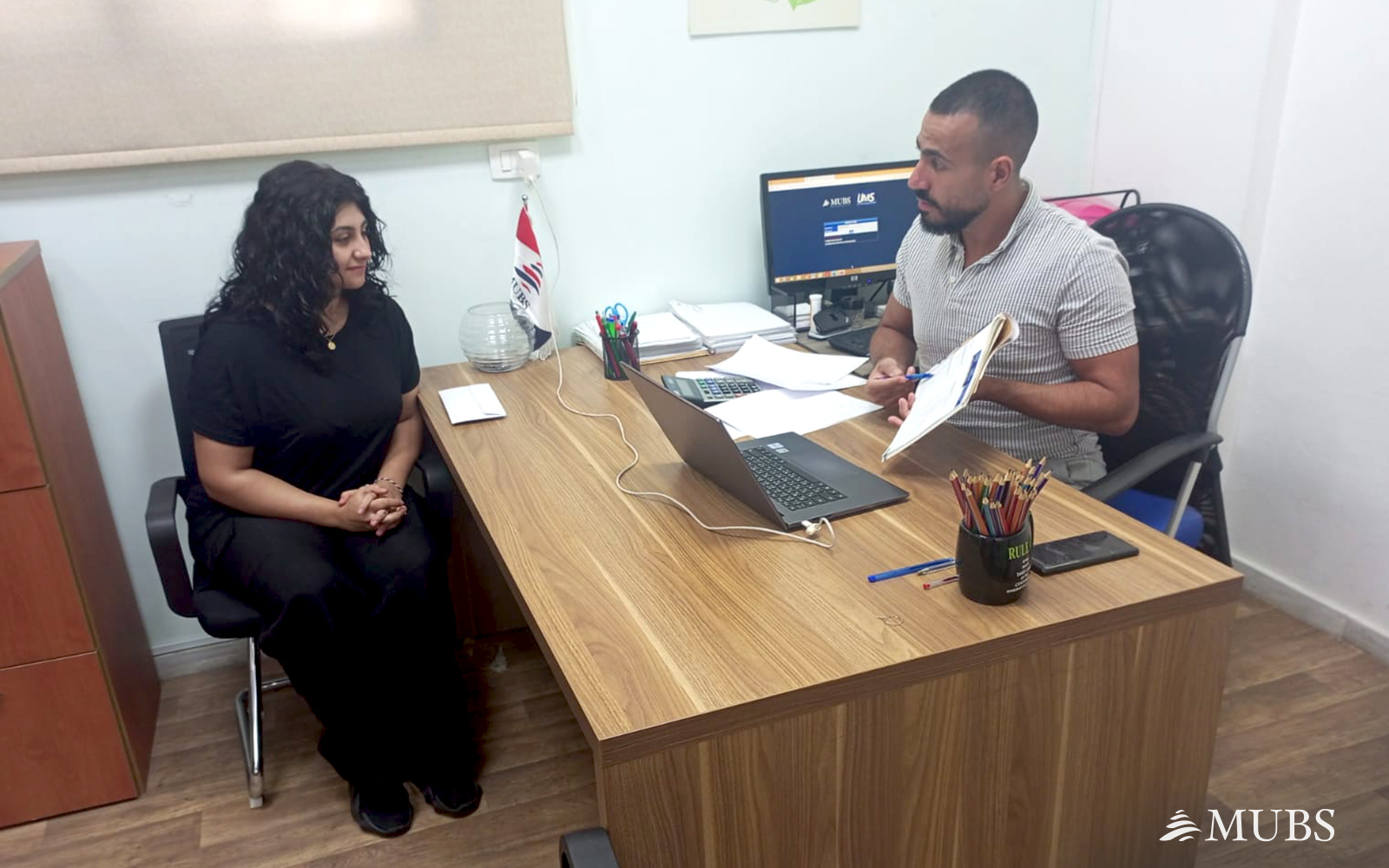
MUBS financial aid program includes need-based grants available to students based on criteria such as family income. Orphaned applicants are entitled to a 45% financial aid along with a 20% financial aid sibling’s package to reduce the university tuition fees within one family.
Check our Scholarship and Discount Policy
Apply for a Financial Aid Need-Based Grant Form
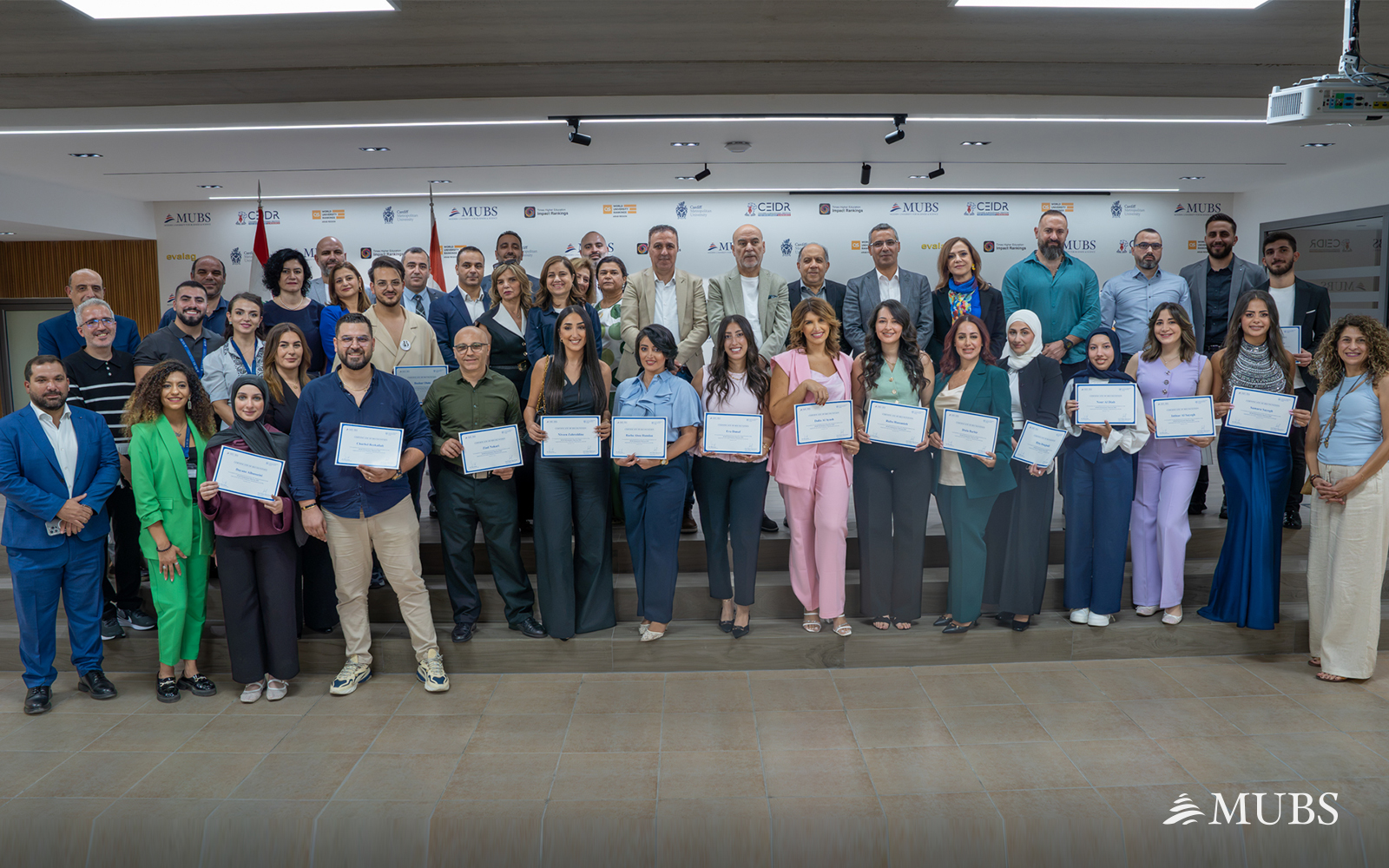
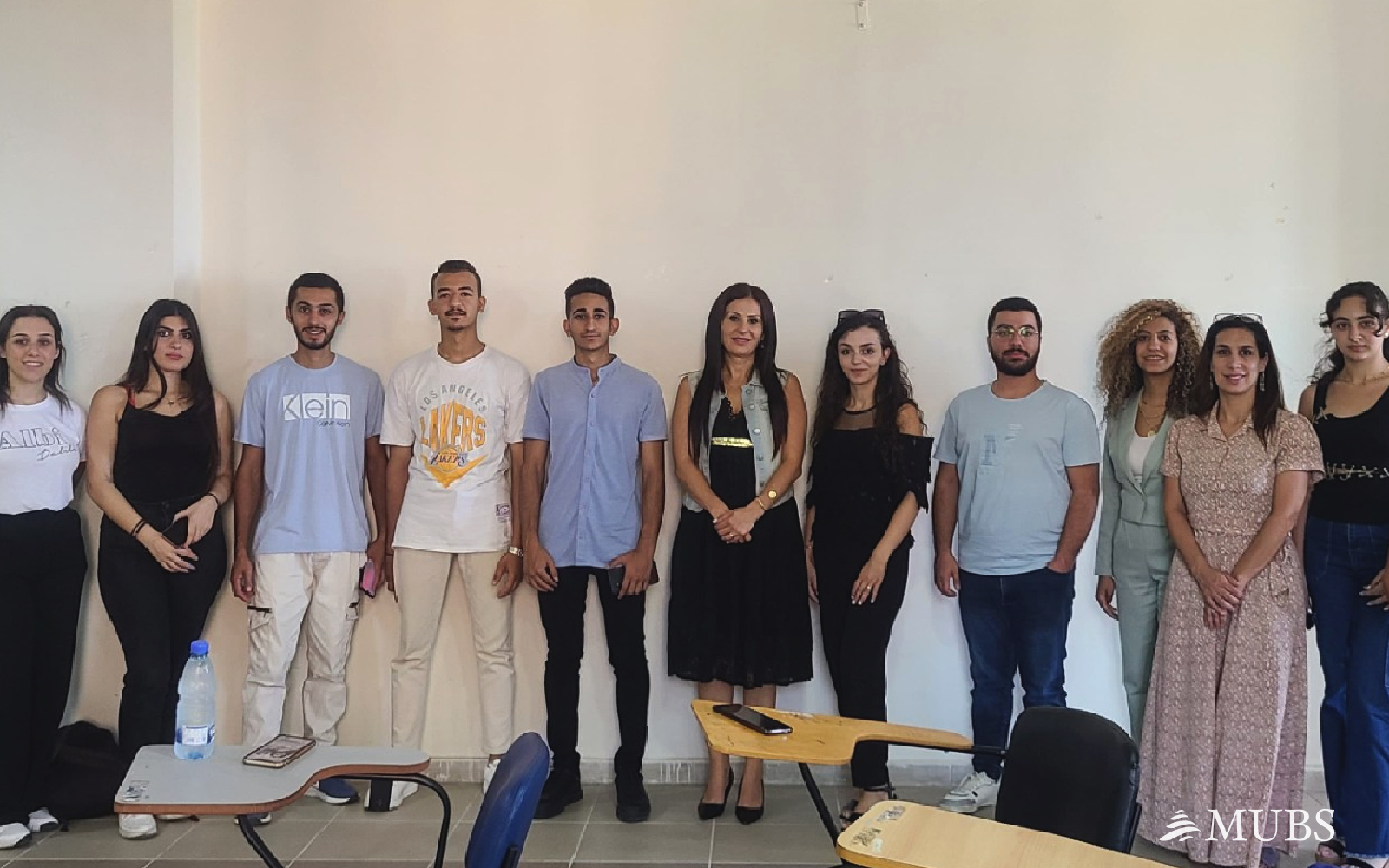
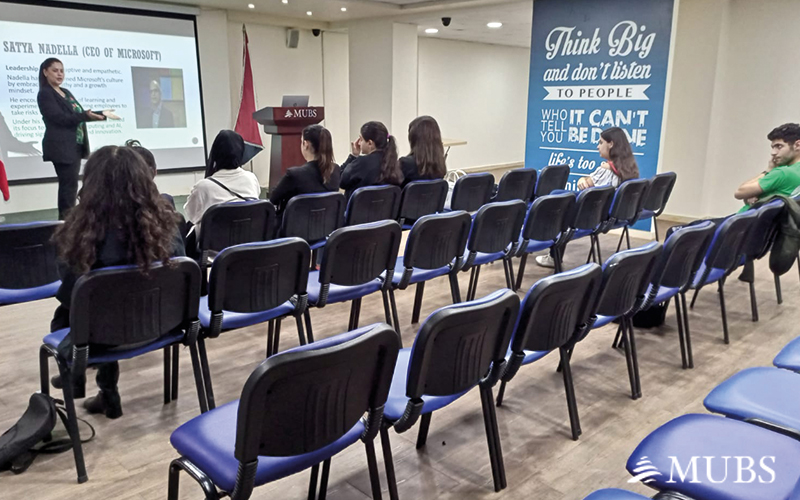
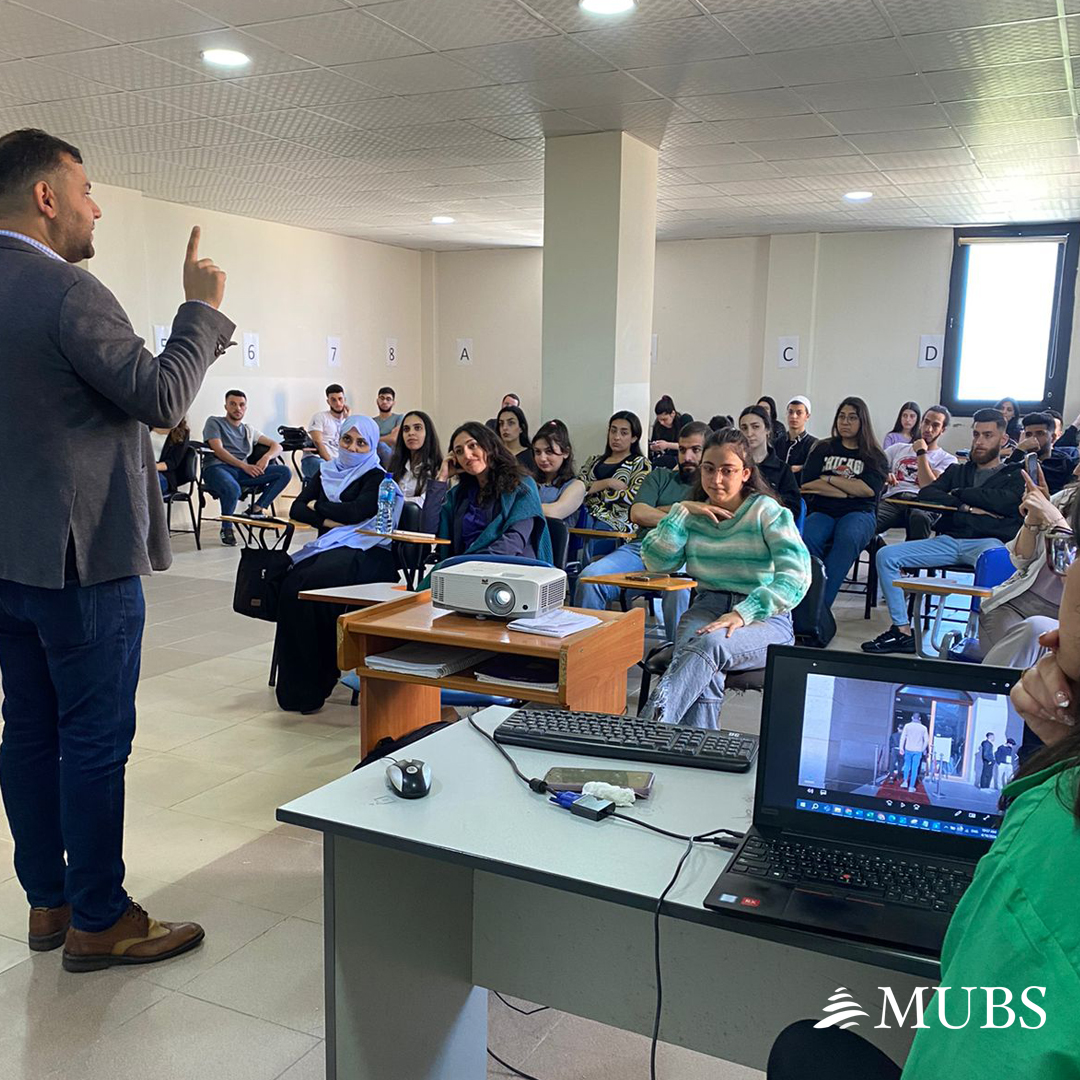
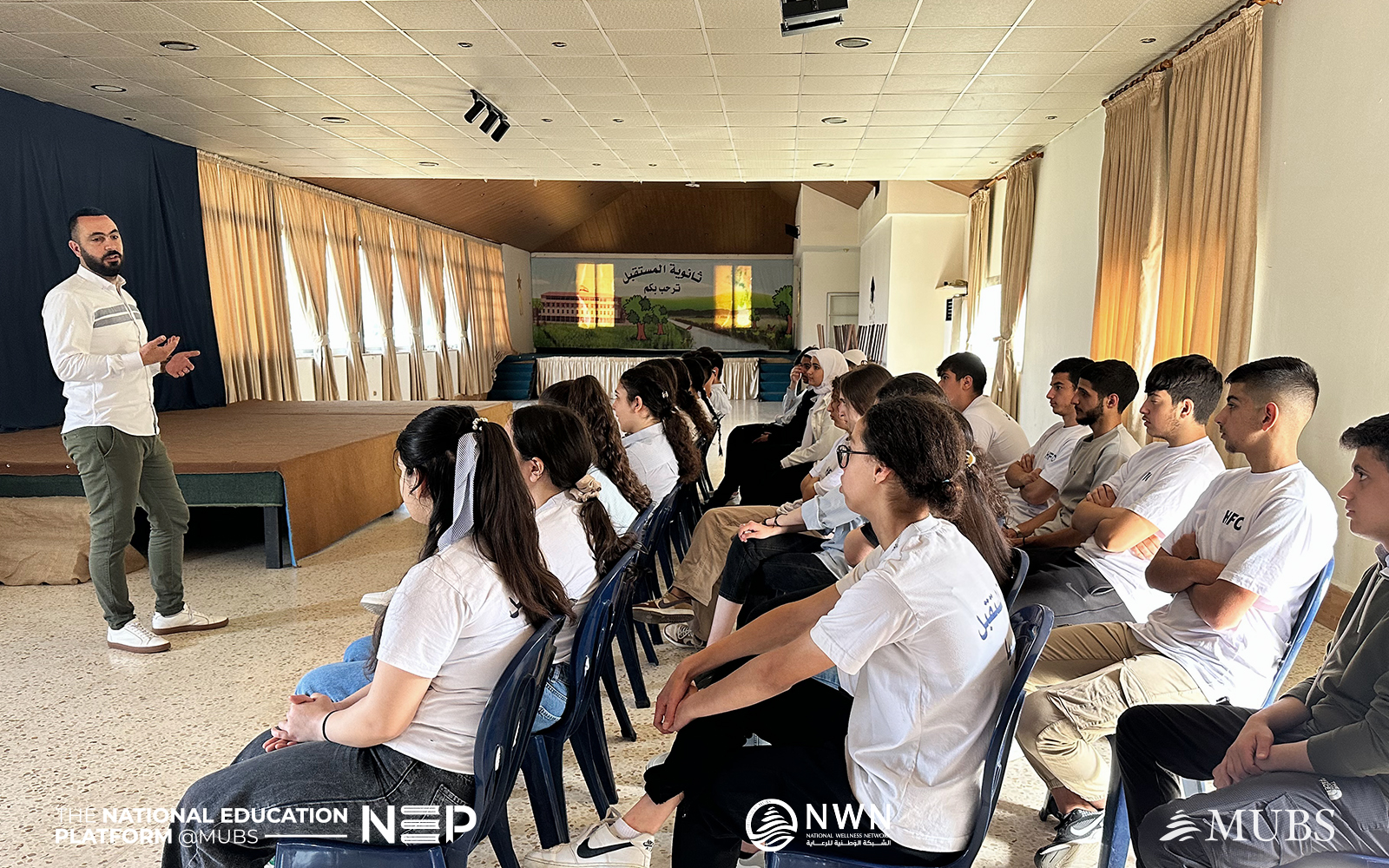
Student Success Offices provides supportive workshops to
students for their success and development to achieve their full potential. The Academic Services
Department supports students and help them get the most out of their MUBS
experience. We are committed to working with every student throughout their
higher education studies to create an educational plan that will help them
attain all the goals that they have set for themselves. Aiming to maintain a stability of academic level, the Student Success
Office and the Student Success Committee monitor the academic progress of
students, especially those from low SES backgrounds to offer mentorship,
tutoring, and counseling, if needed. To ensure that students who join the
university are indeed capable of completing their studies, MUBS researchers are
also making recommendations that ensure best practices are followed to ensure
high graduation rates among students from marginalized communities like
refugees. Visit the Student Success Office on https://www.mubs.edu.lb/en/students/sso.aspx Check our Student Success Committee Policy Disciplines such as Education,
Business, Health Science, Design, and Computer Science have boards of advisors
made up of leaders in the field. These advisors influence academic faculty on
the latest needs of the market and on curriculum changes needed to meet these
needs. Check our Faculty Advisory Board Policy MUBS has
committed itself to community development and education. As such, the
university has taken upon itself to offer continuous training and support to
students and community members, especially in rural communities, to empower and
foster entrepreneurial initiatives and start-ups. The University launched the
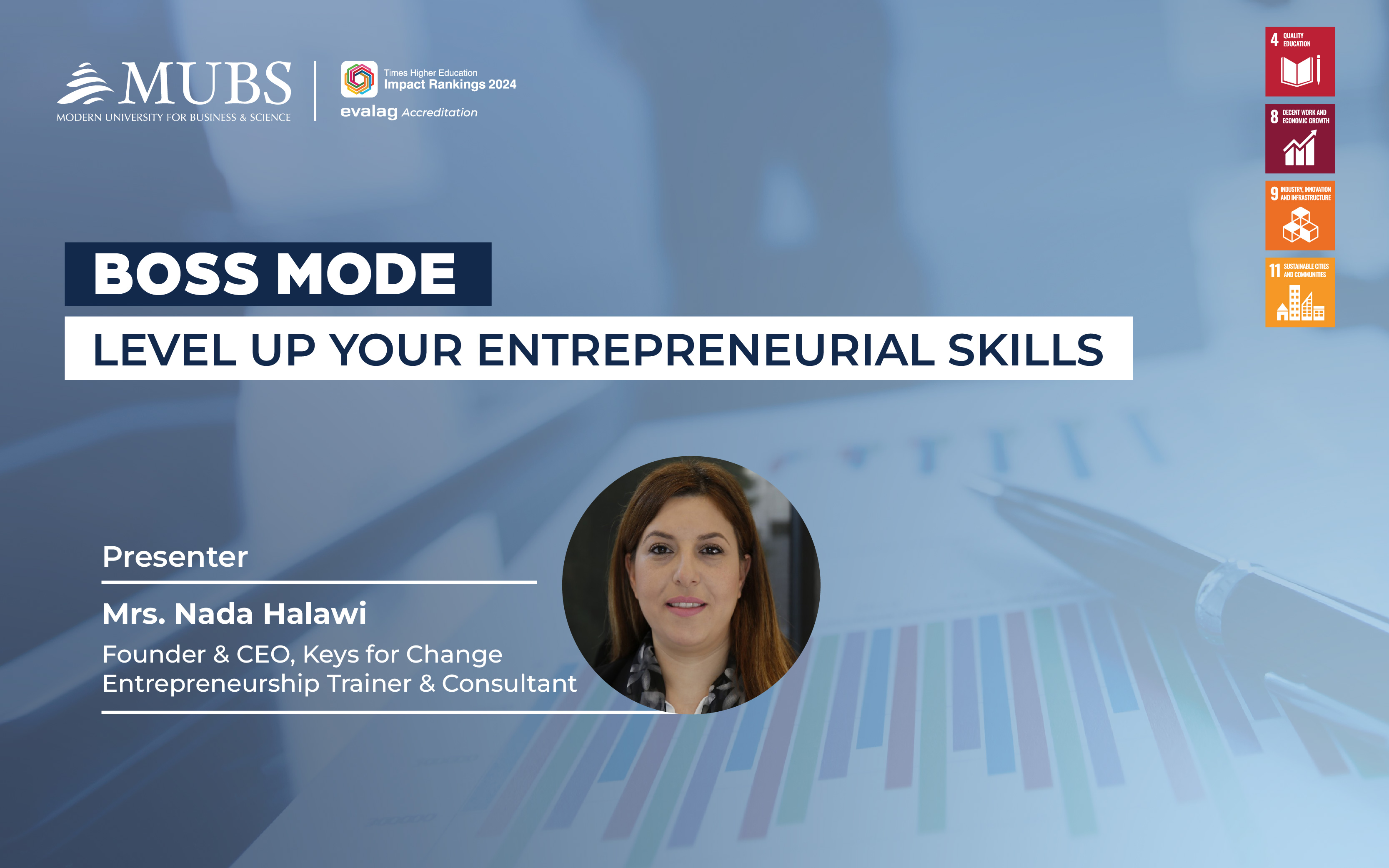
Rural Incubator in Rashaya (West Beqaa) to help the area’s youth establish,
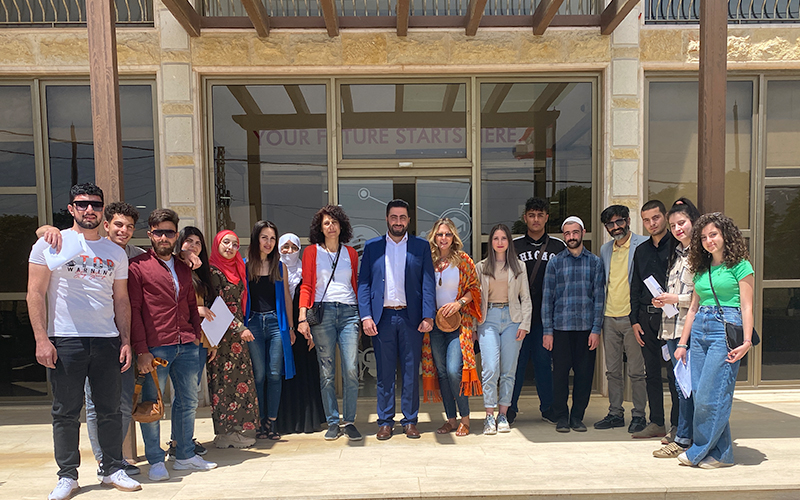
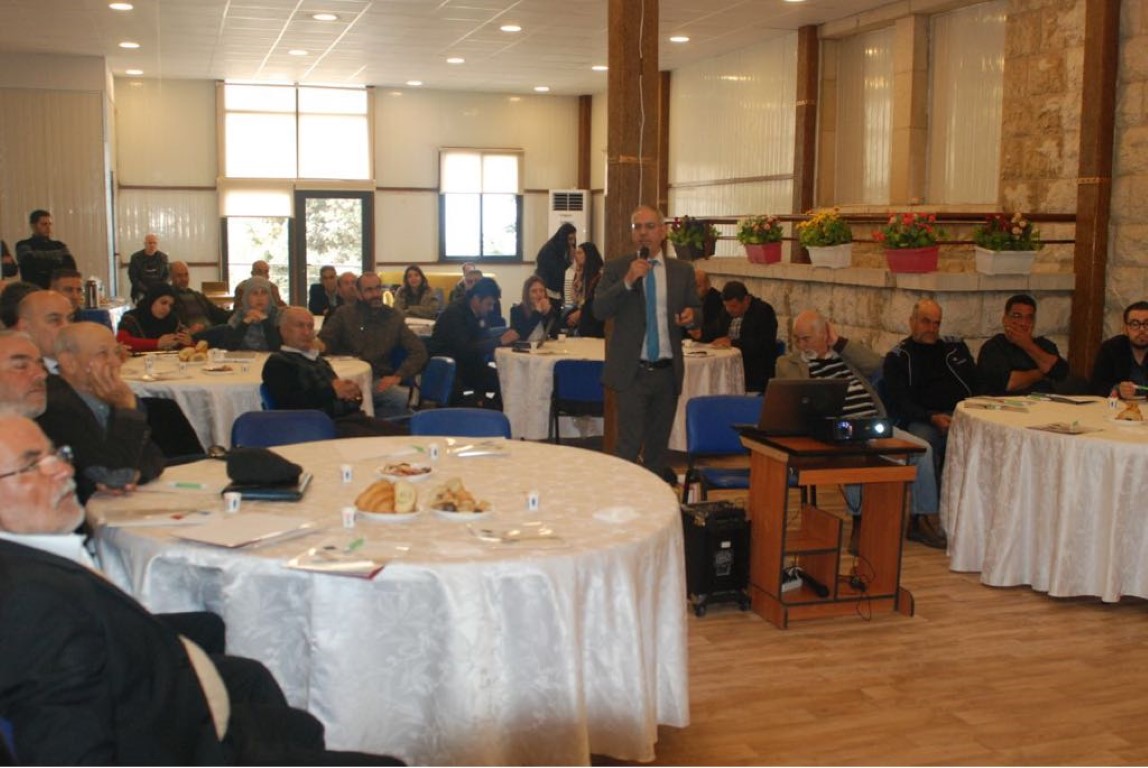
develop, and grow their businesses. The University also offered local farmers
in Mount Lebanon, the South, and Beqaa free workshops in partnership with the
Ministry of Agriculture and other local NGOs. Relevant
Publication The
first community-based intervention to promote safe pesticide use by developing
knowledge, attitudes, and practices among Lebanese farmers Diana Maddah,Wissam Ghach,Nermine Abi Farraj,Myrna Yehya,Jana Al Khatib &Nael H Alami Check full Article on: MUBS
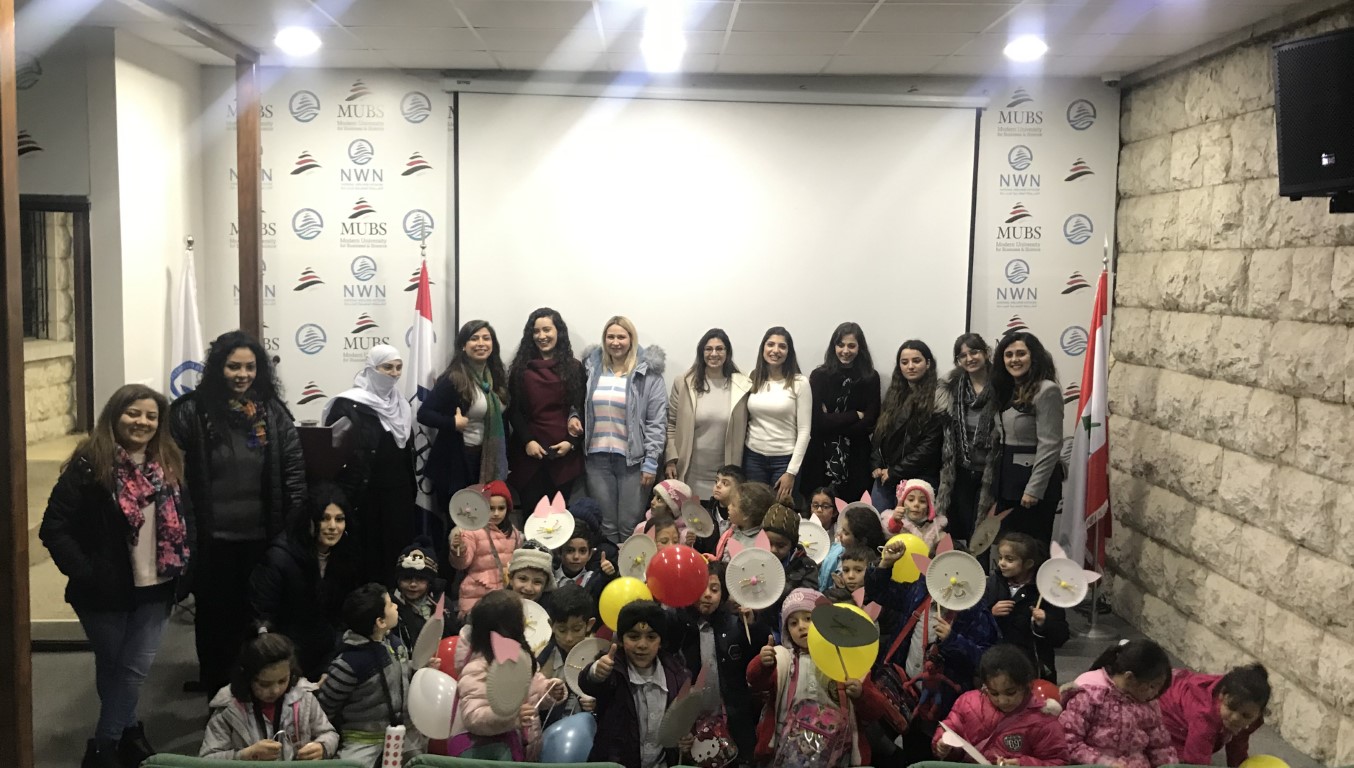
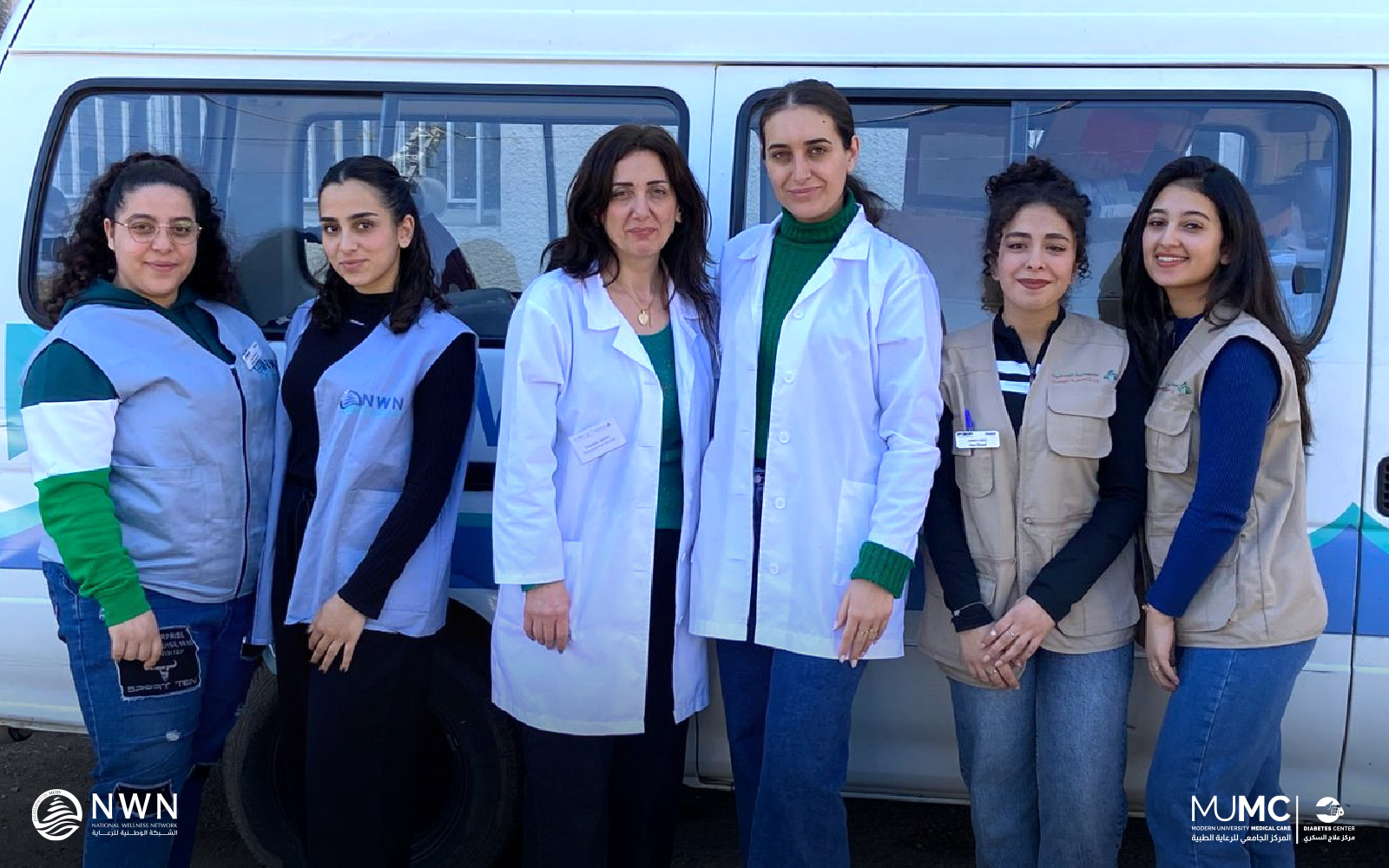
organizes charitable campaigns to donate various essential services and
products. These initiatives, led by MUBS staff and students, include food,
health services, clothing, medication, and training. To systemize and oversee
more effective dissemination of services and material to the needy, MUBS
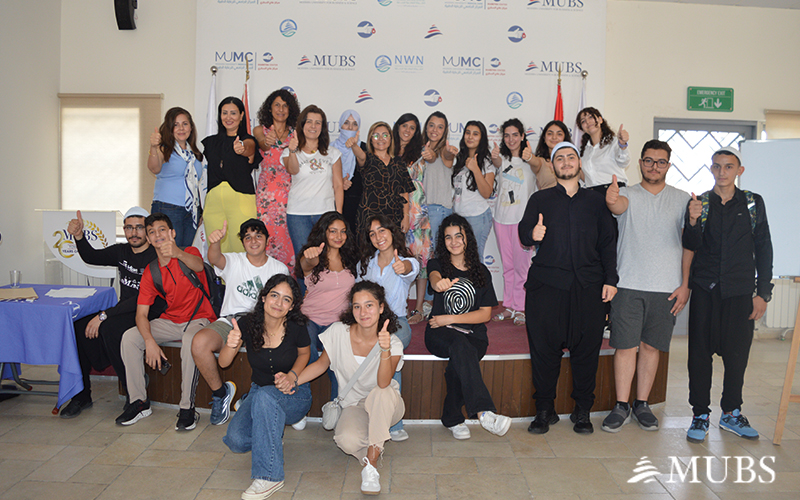
established the National Wellness Network that works with local partners to
investigate the local community’s needs, and respond in the most convenient way
to address those needs. MUBS also collaborates with top universities like
Stanford University to utilize educational technology tools to address global
health challenges. The driving force behind this pioneering collaboration is
the understanding that in fragile states and zones of conflict like Lebanon,
humanitarian response inevitably requires close collaboration between local and
international respondents. https://www.facebook.com/mubslebanon/photos/a.231506876938276/2662162103872729/?type=3&theater The
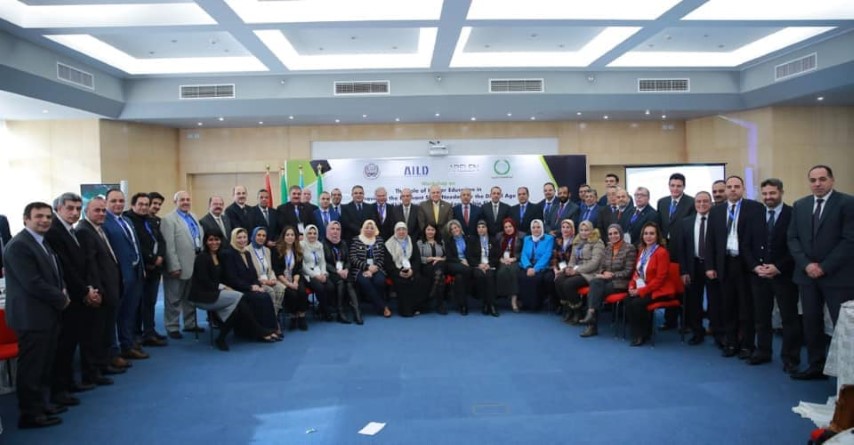
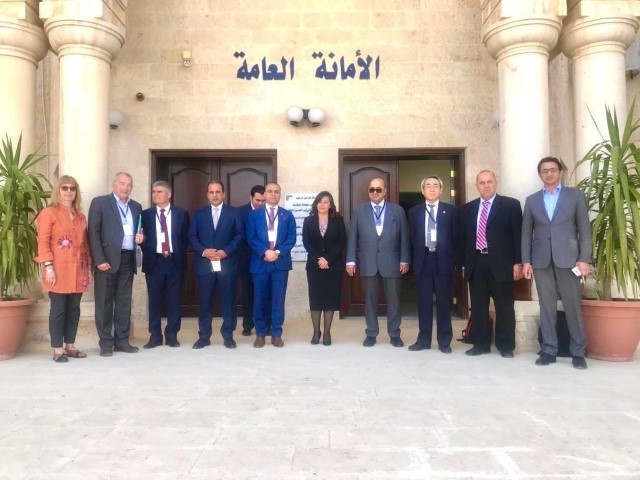
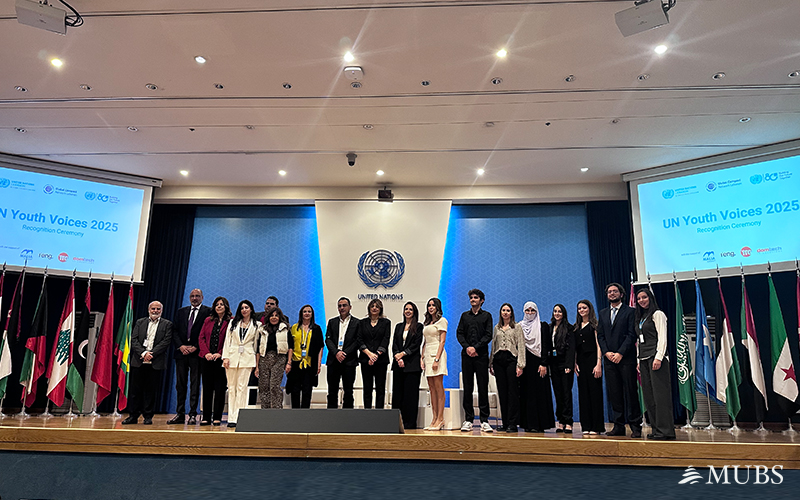
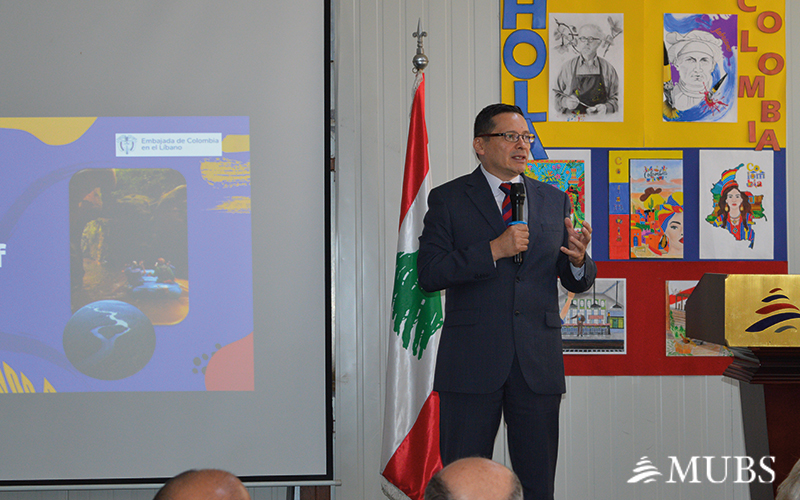
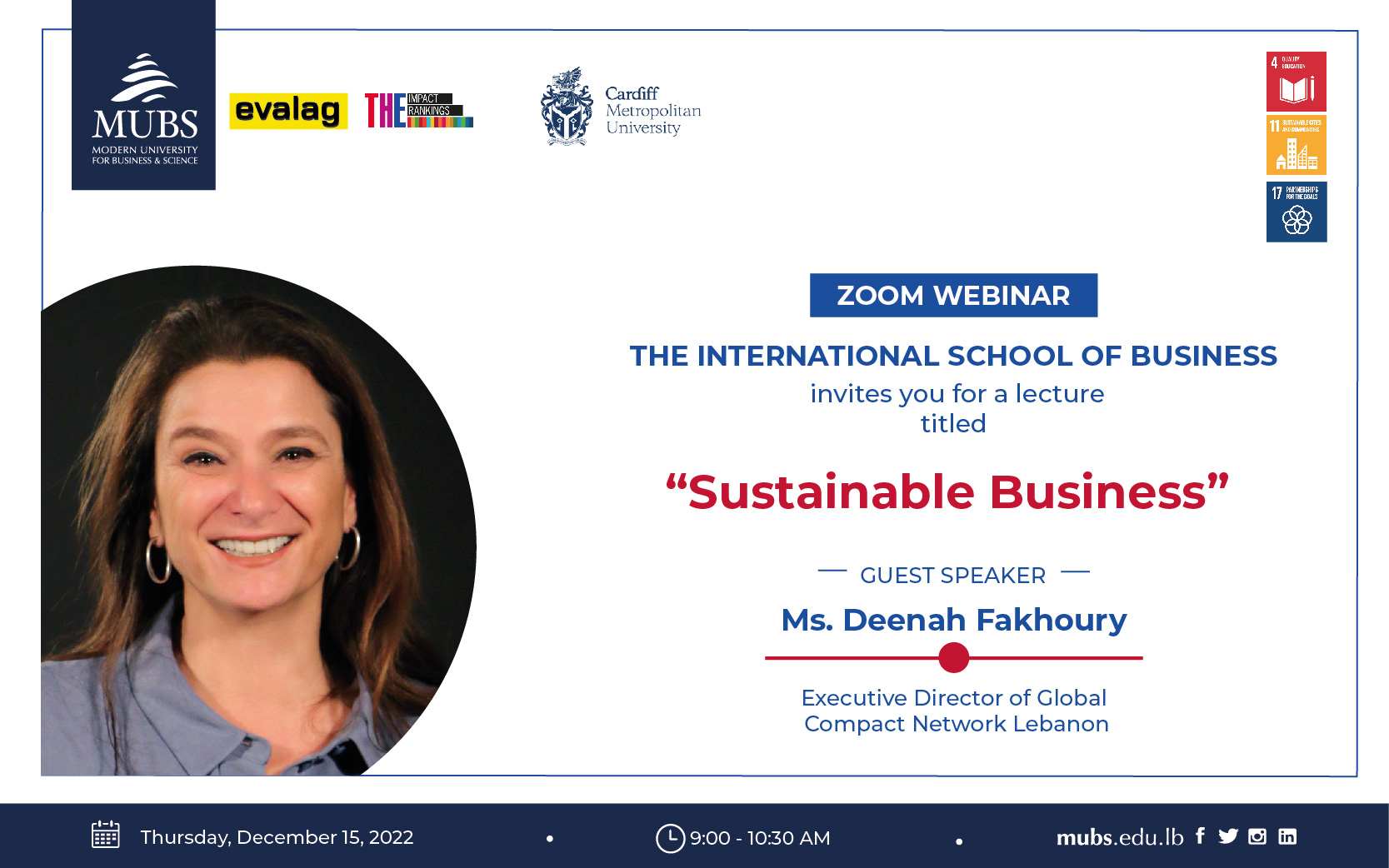
University works closely with UN Global Compact Lebanon and Lebanese policy
makers in the public and private sectors towards achieving UN SDGs. Member of
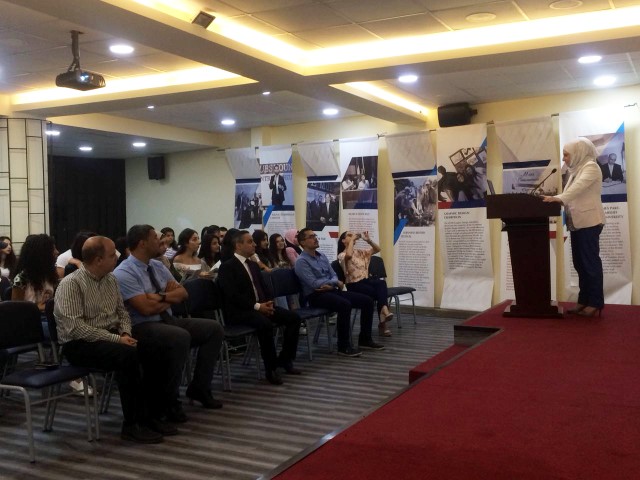
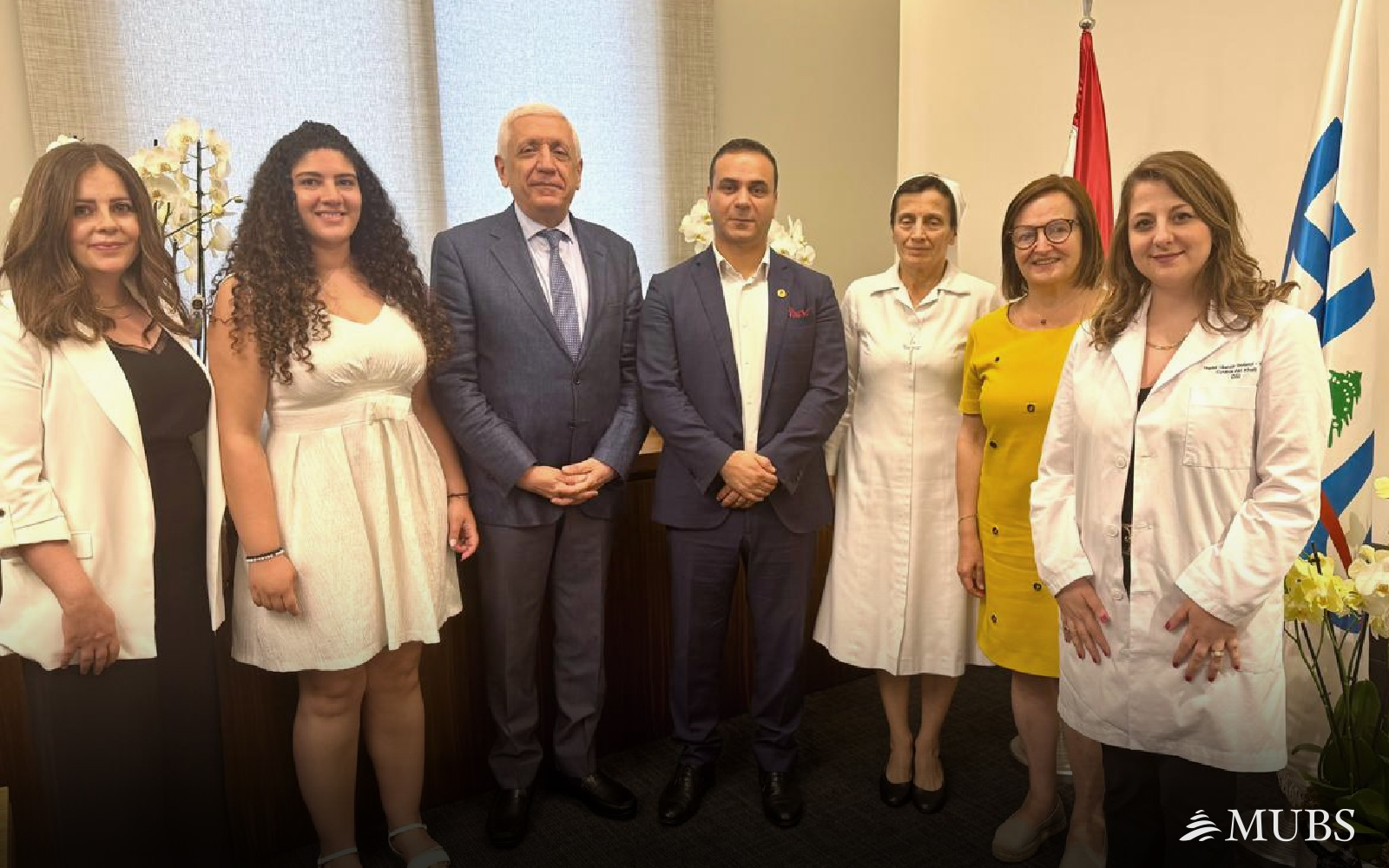
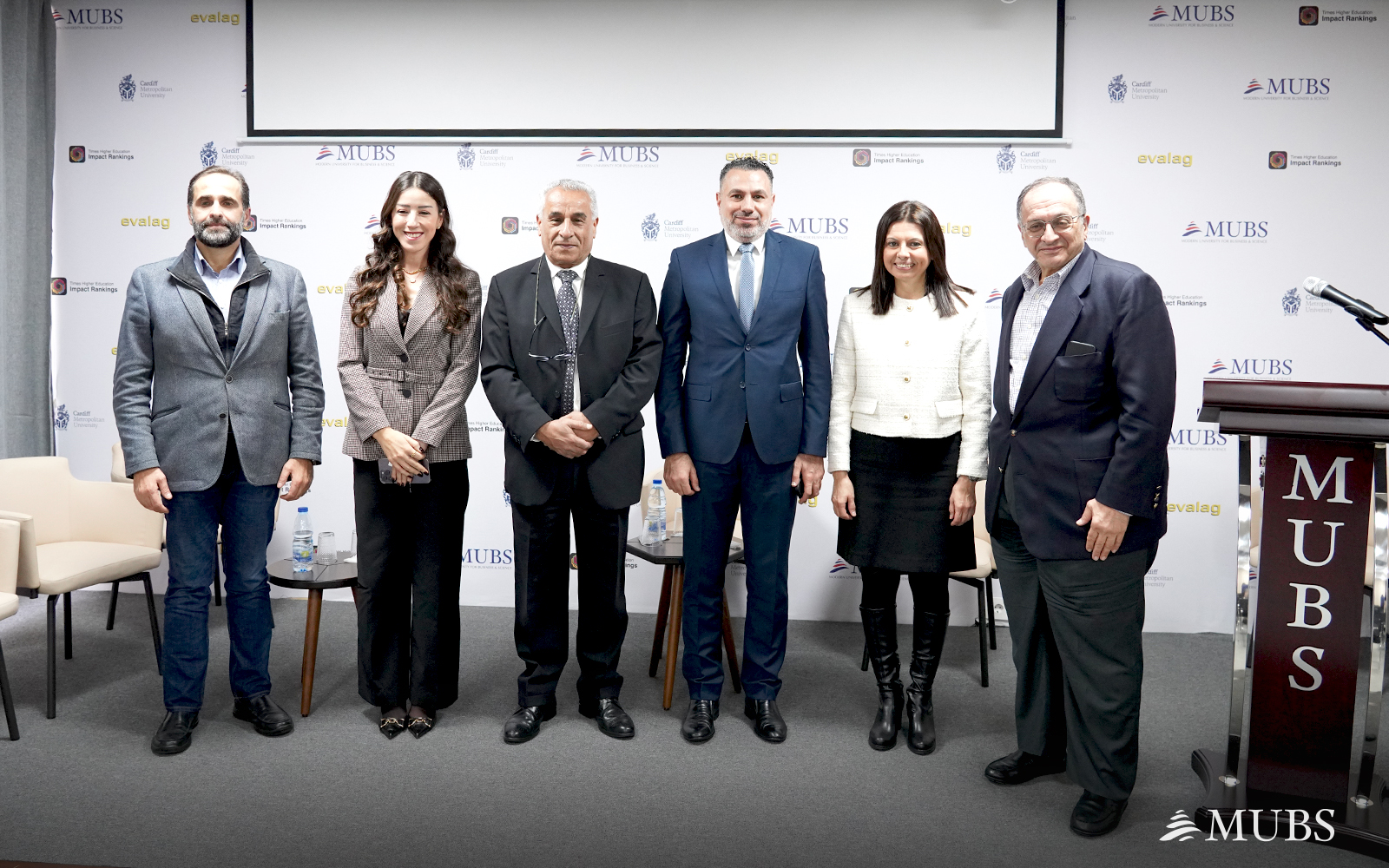
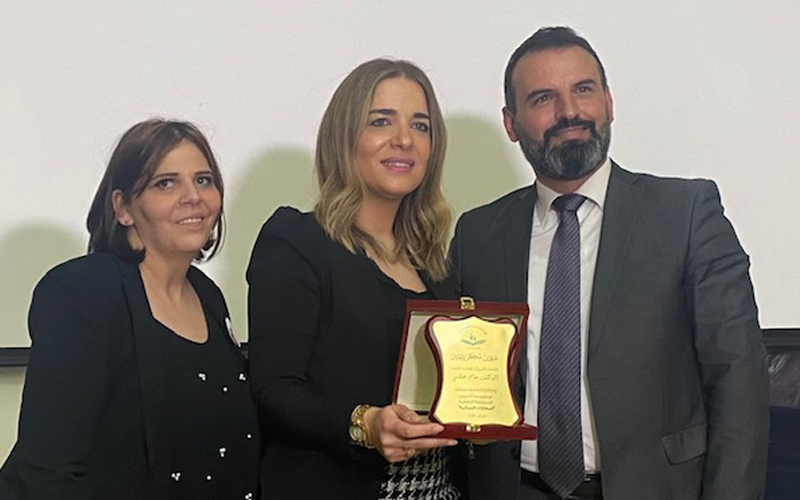
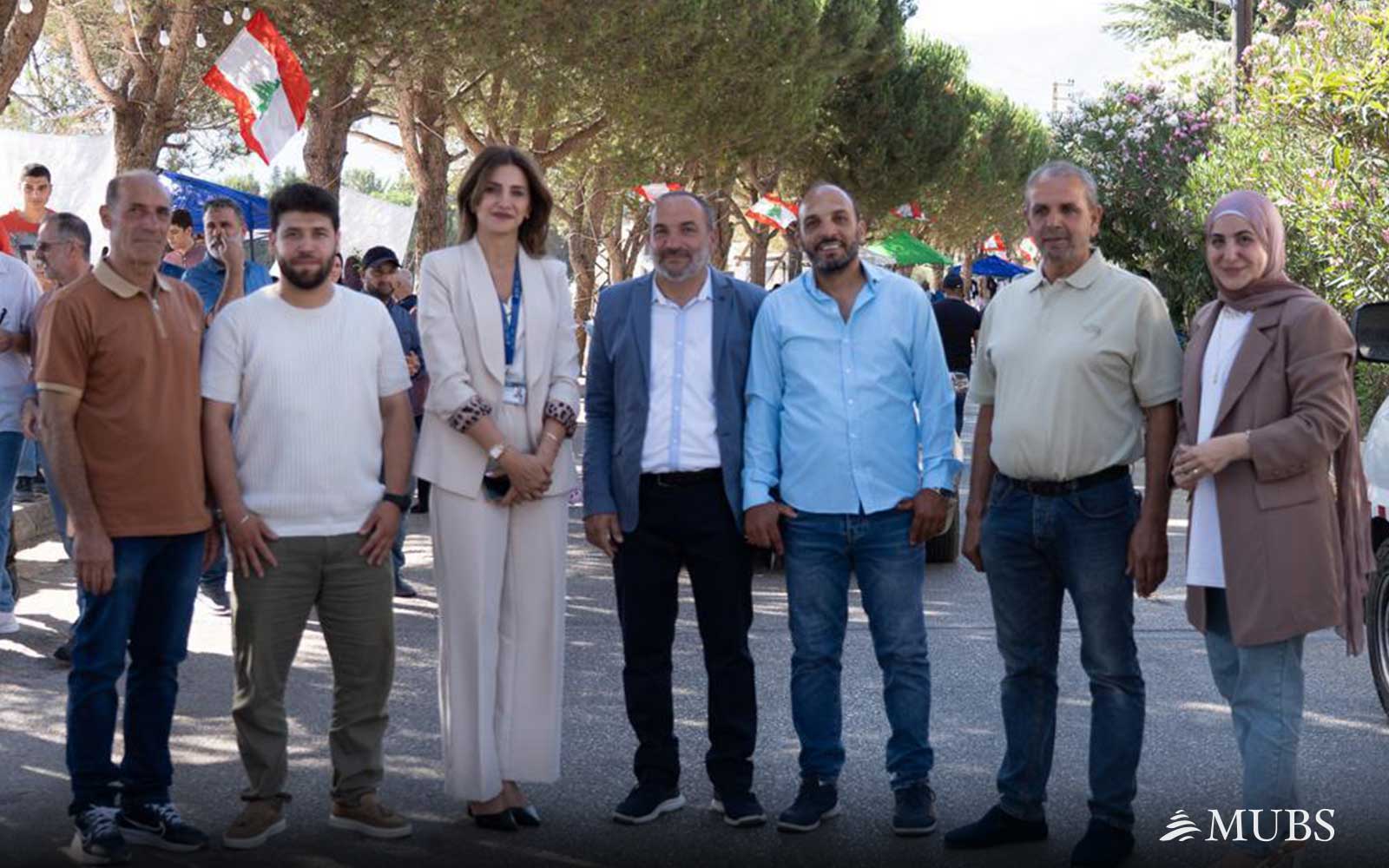
Lebanese Parliament Dima Jamali visited MUBS to mark the University’s efforts
towards supporting the UN 2030 agenda and SDGs in the country. MP Jamali is
leading the efforts at the Parliament to advance sustainability and the
Sustainable Development Goals (SDGs) in Lebanon. MUBS is also active in
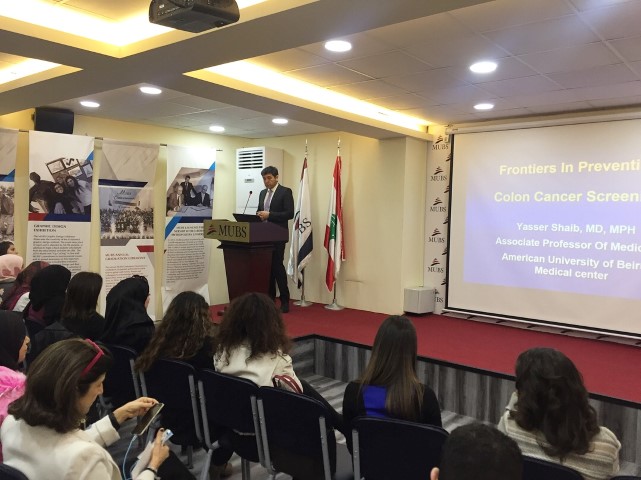
organizing round table discussions, lectures, and seminars that aim at ending
poverty among marginalized populations and ha launched a number of initiatives
toward that end.
Financial Aid


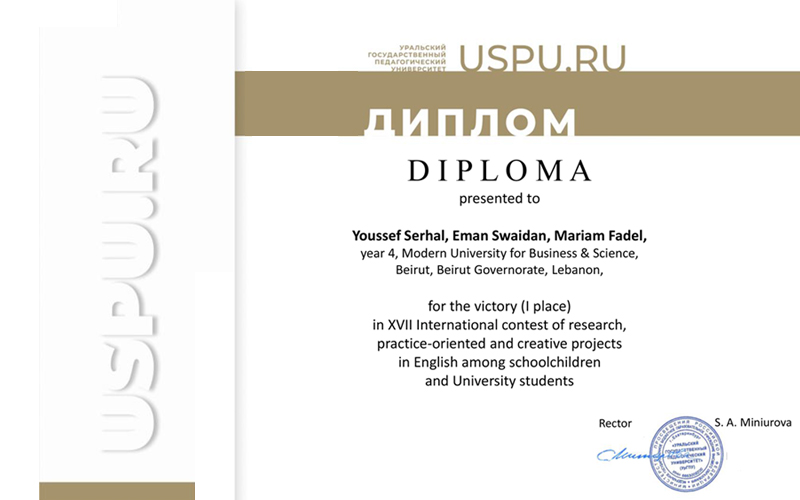
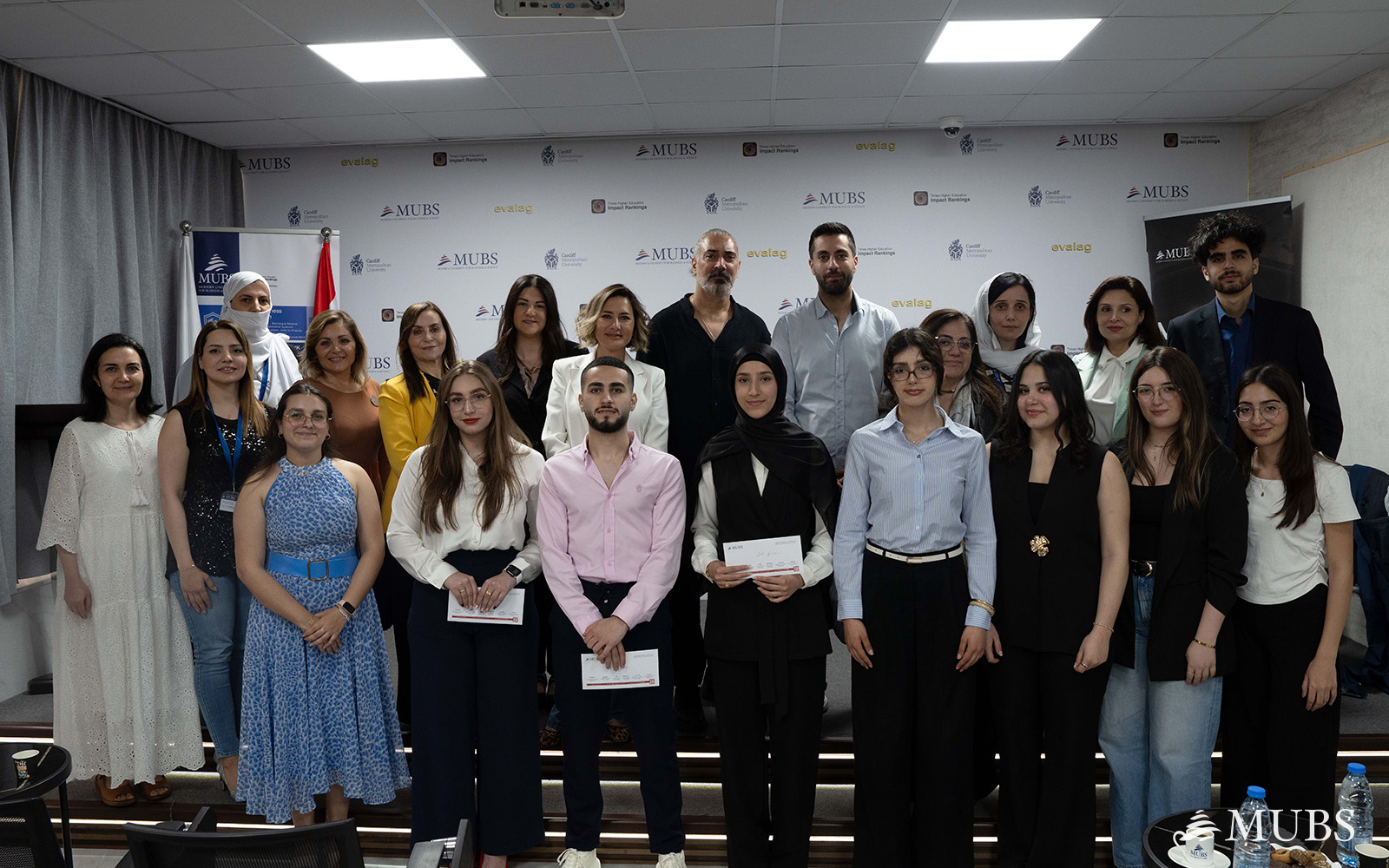
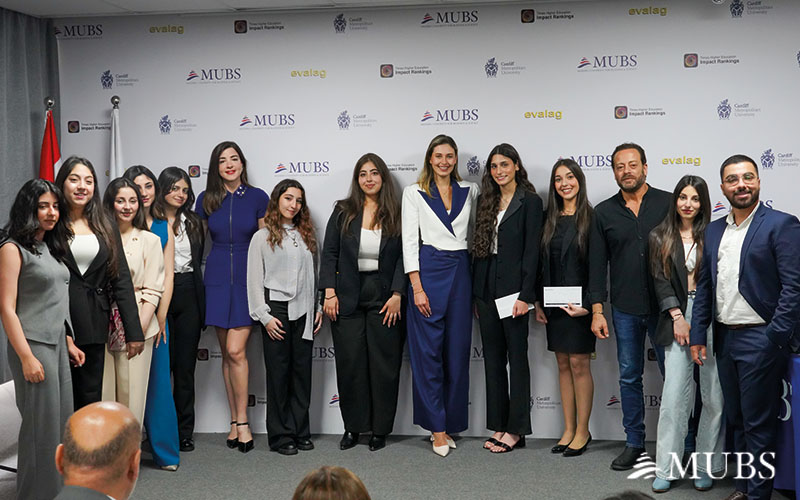
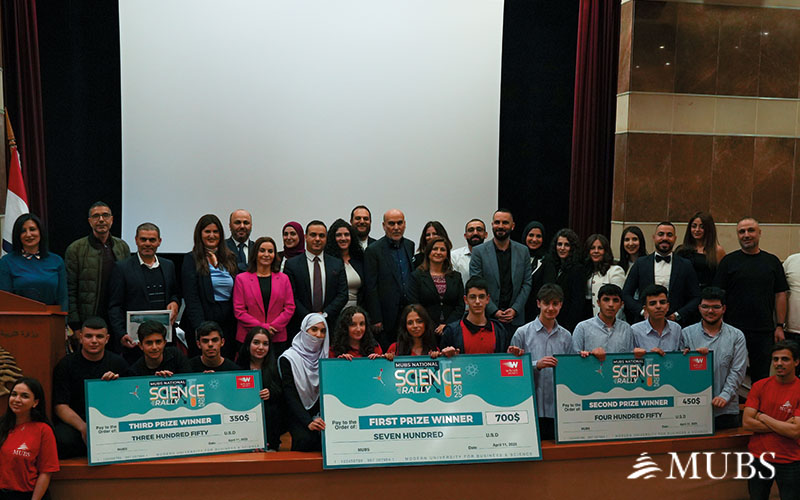
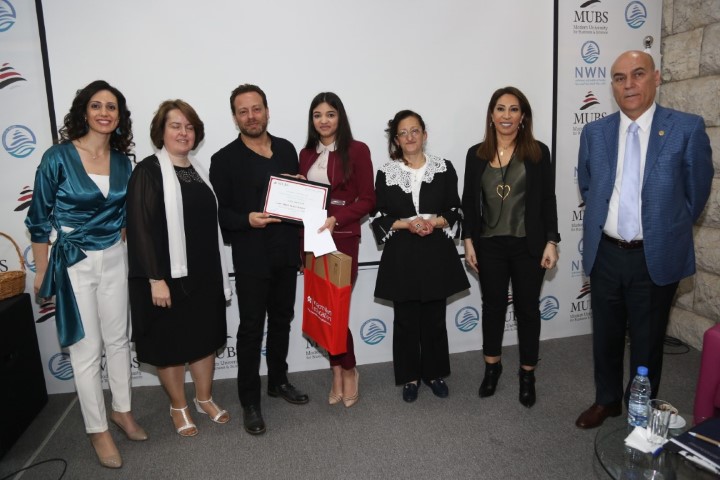
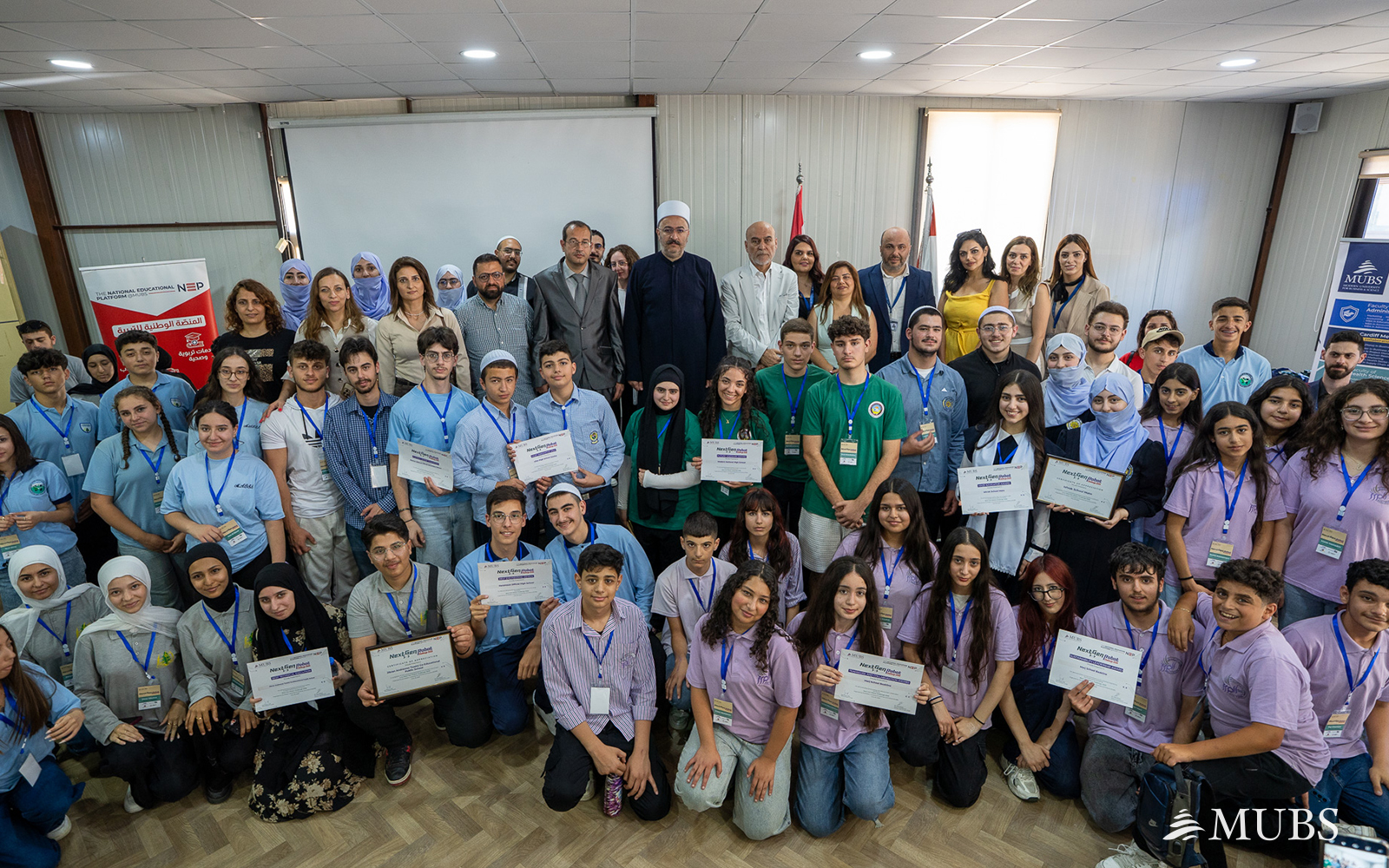
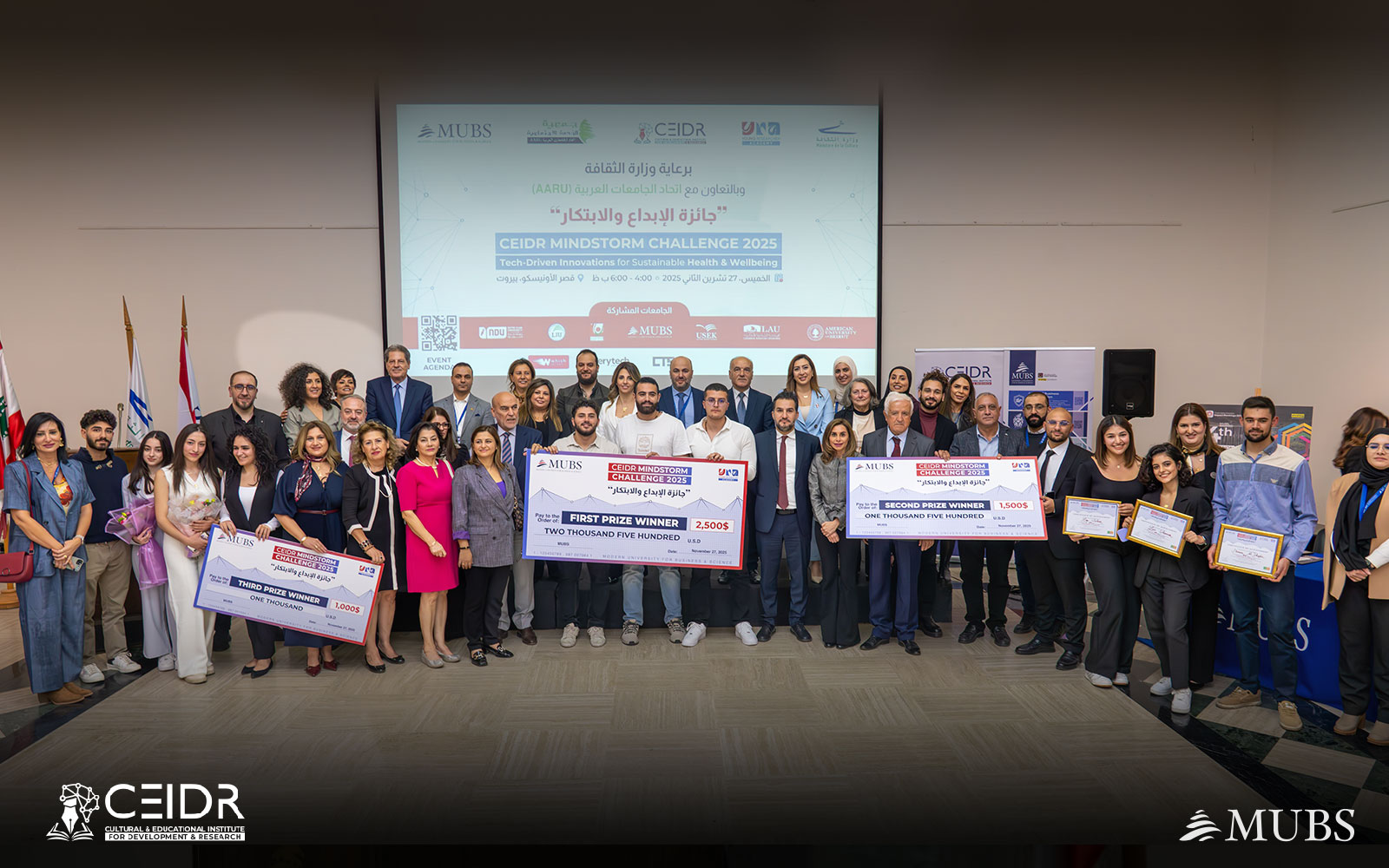
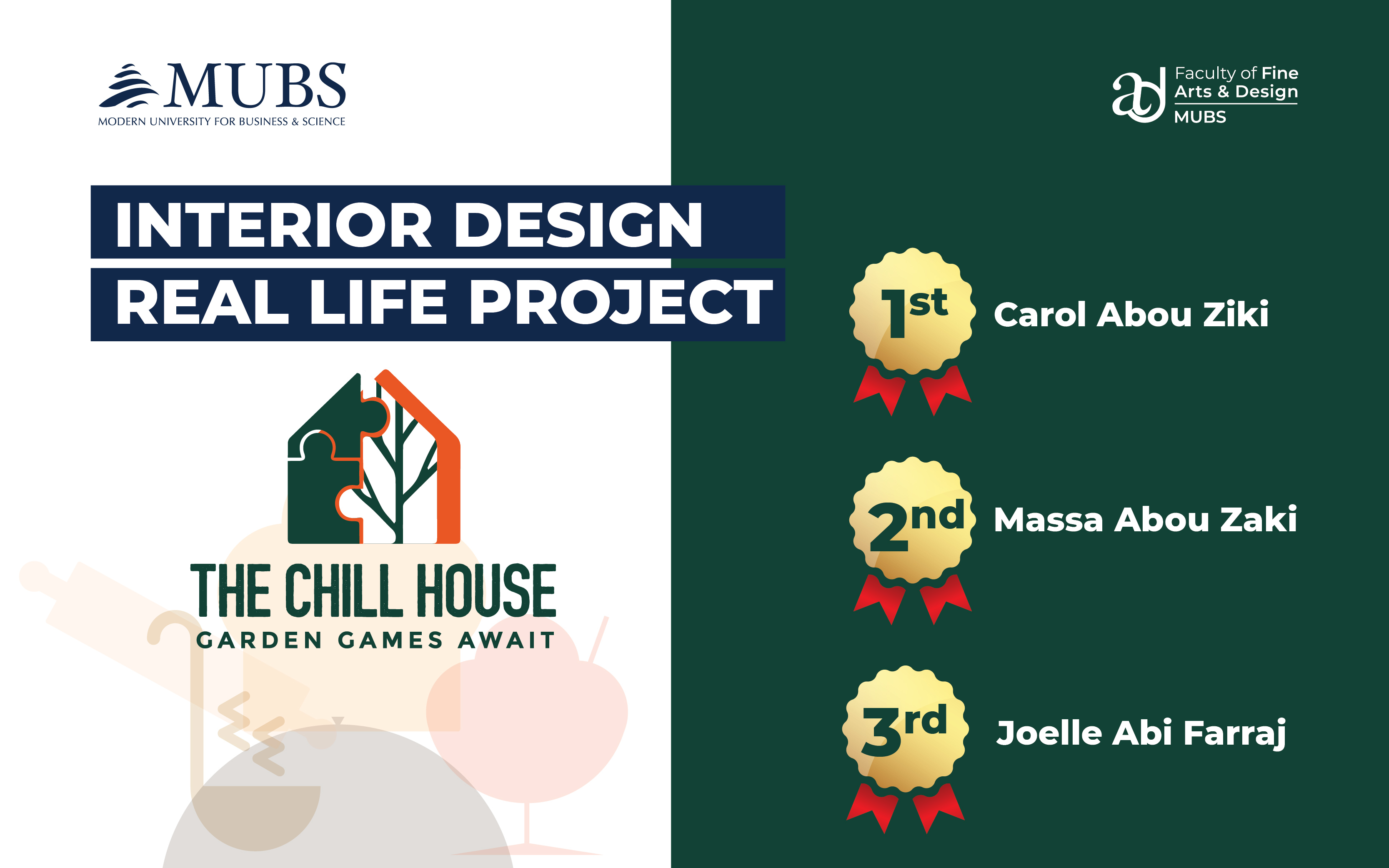
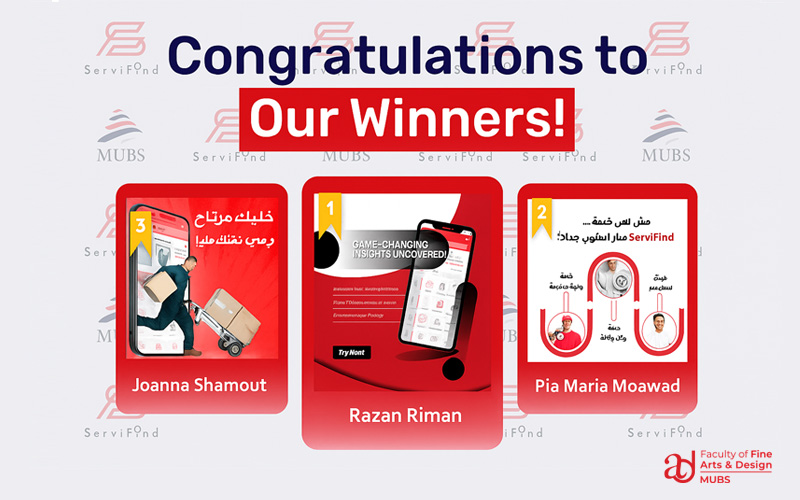
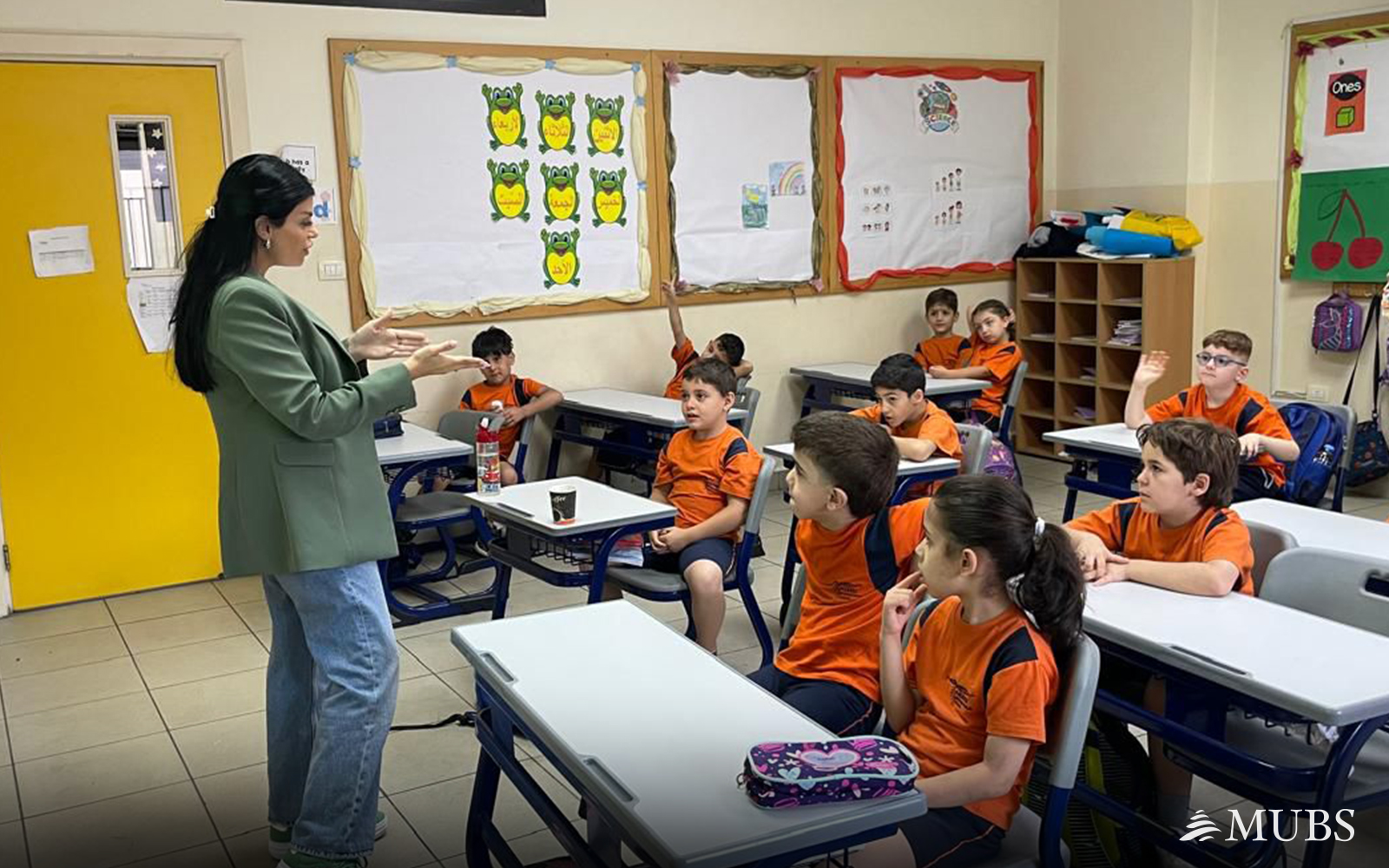
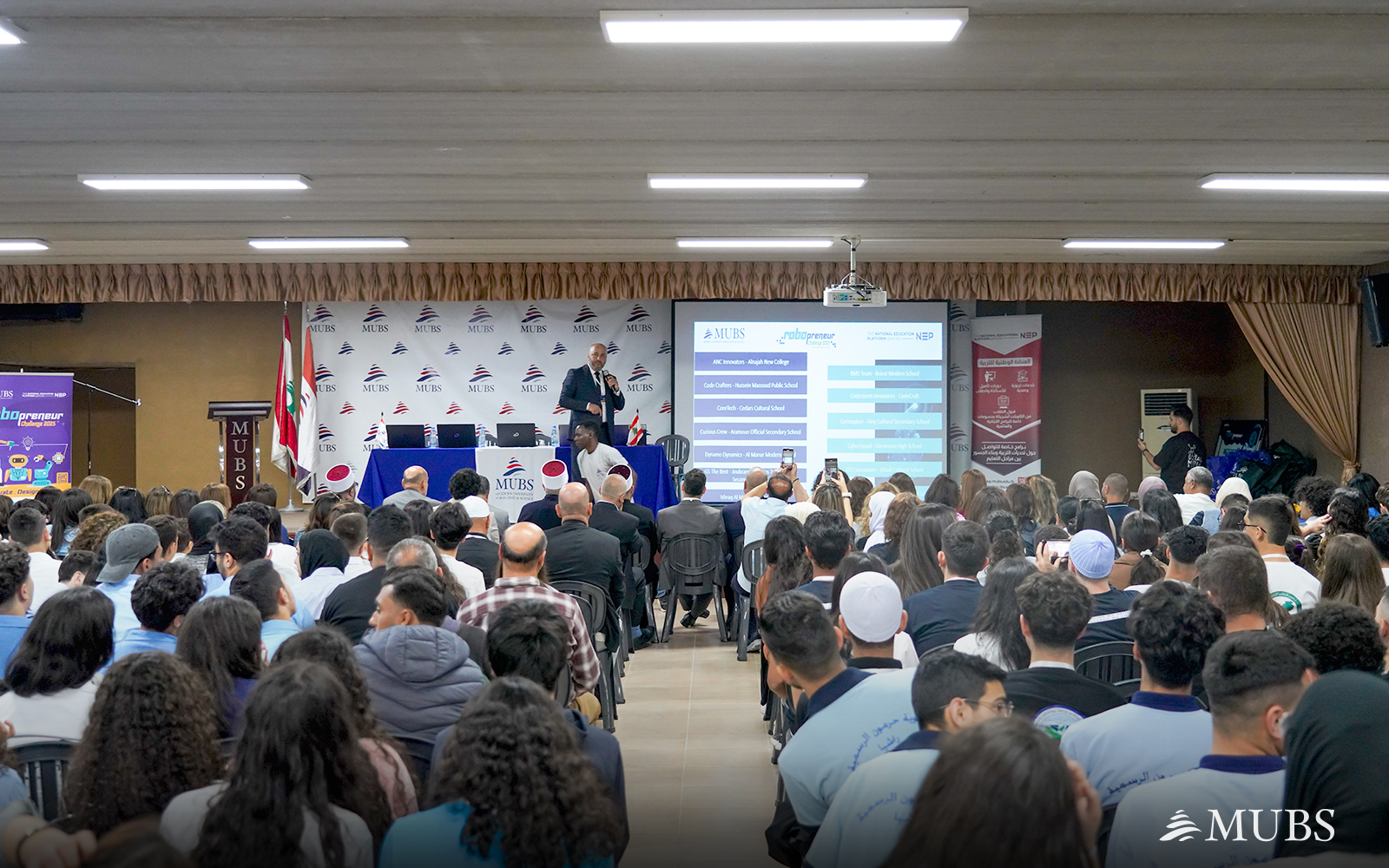
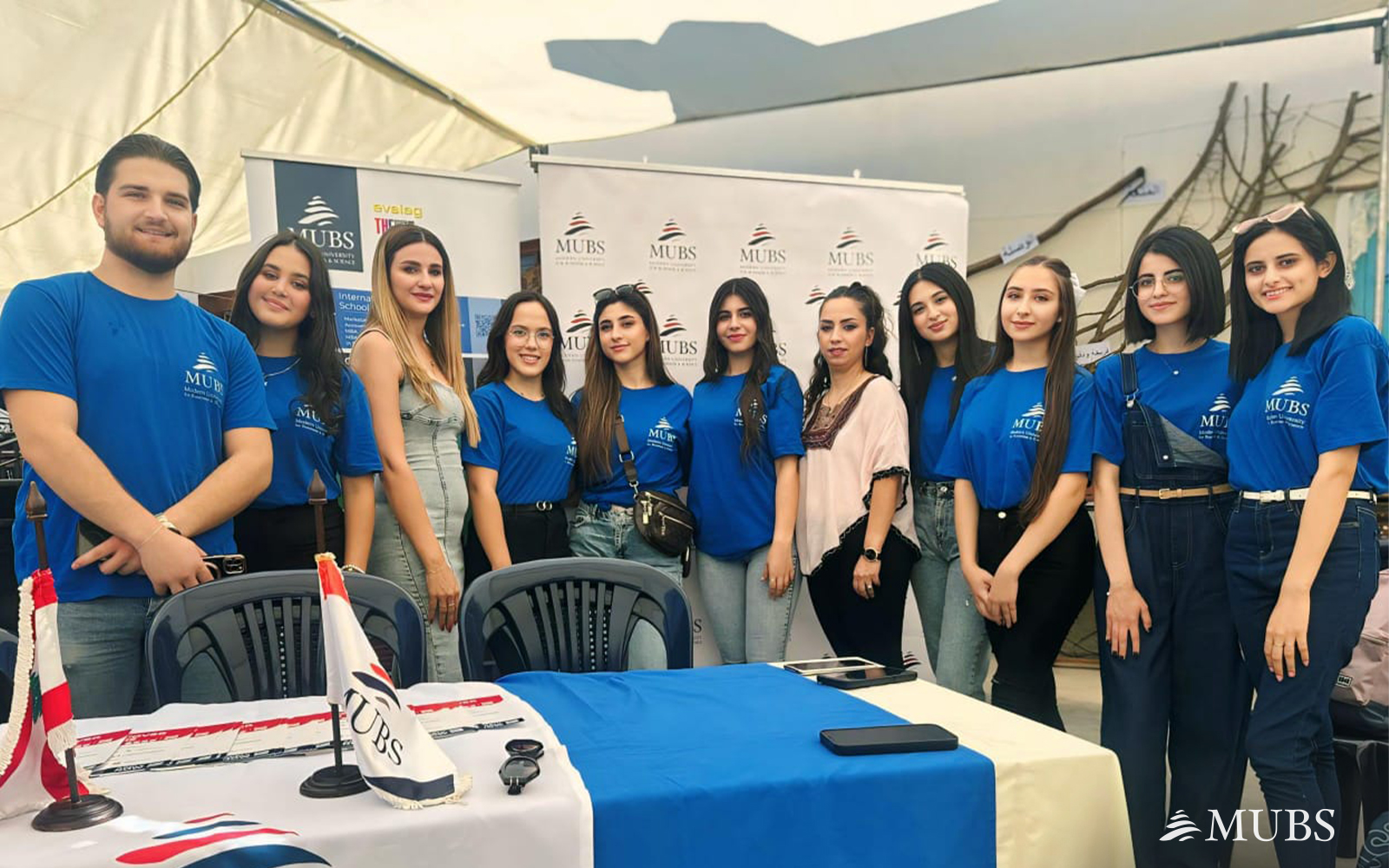
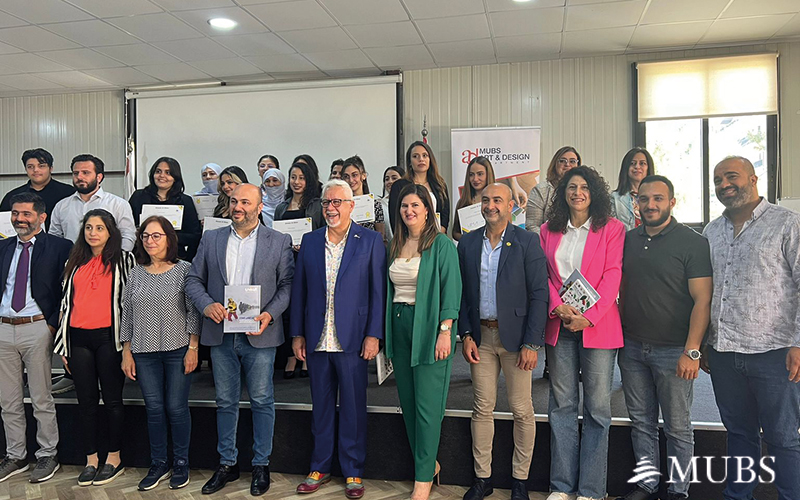
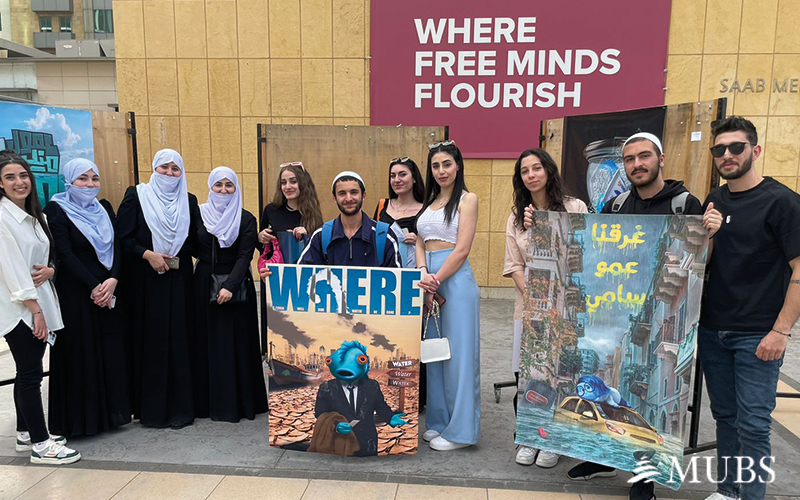
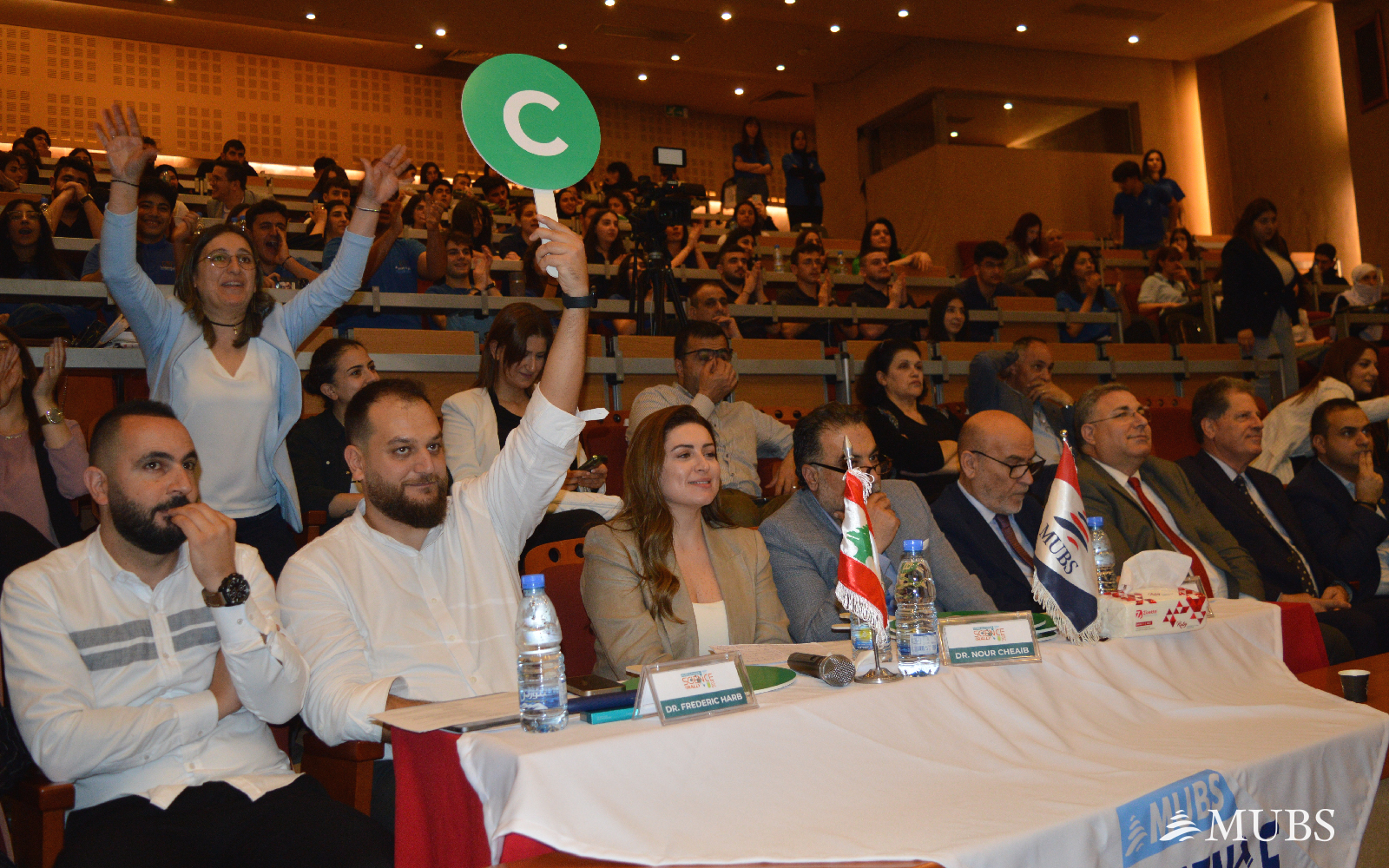
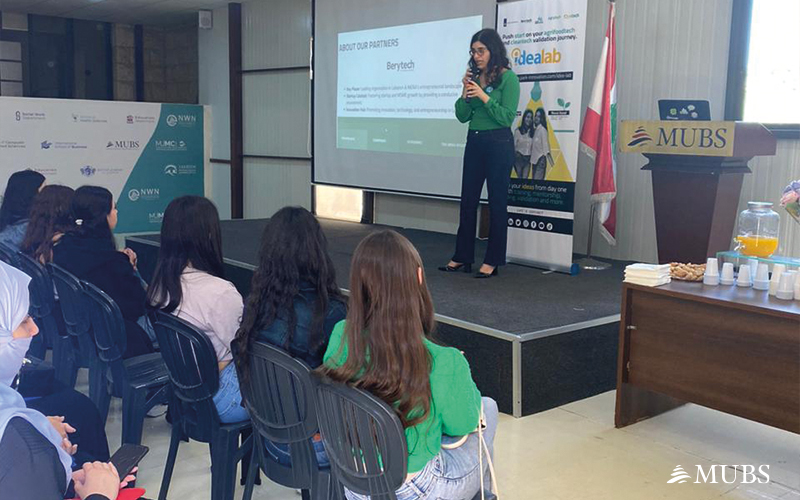
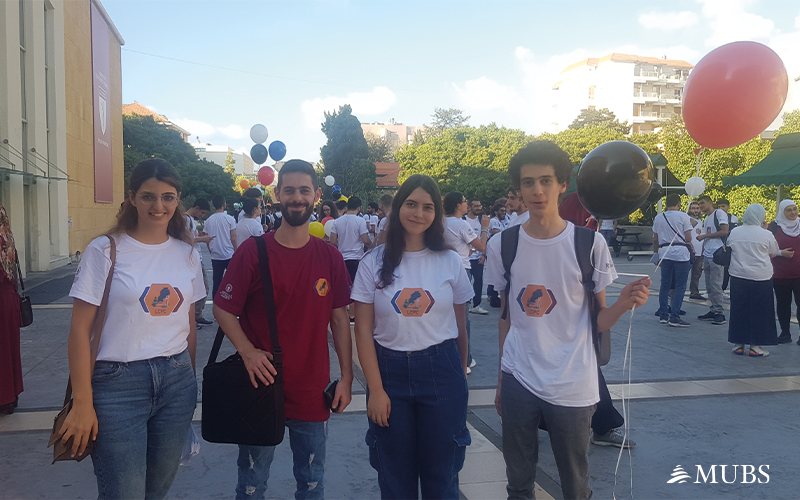
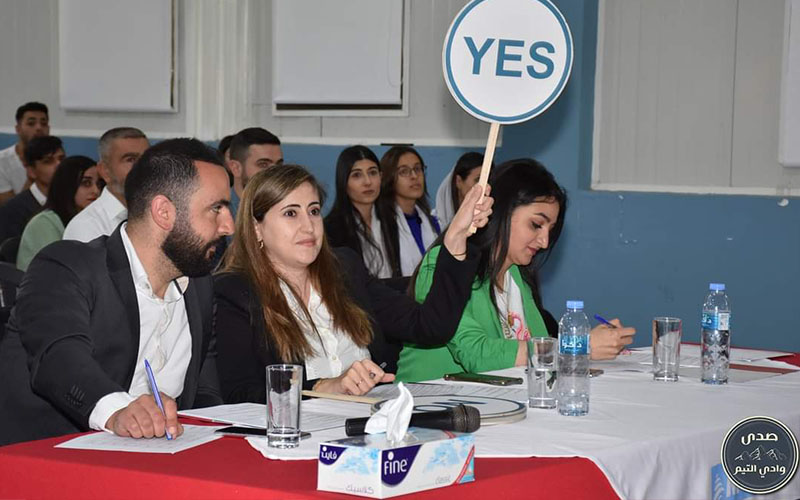
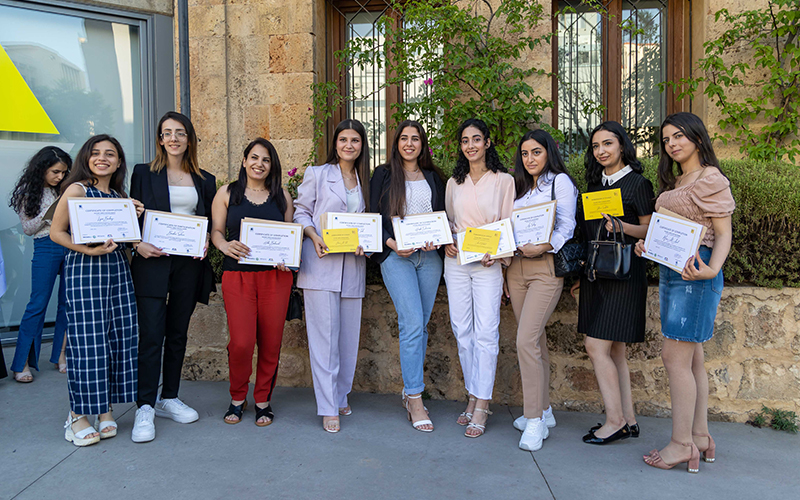
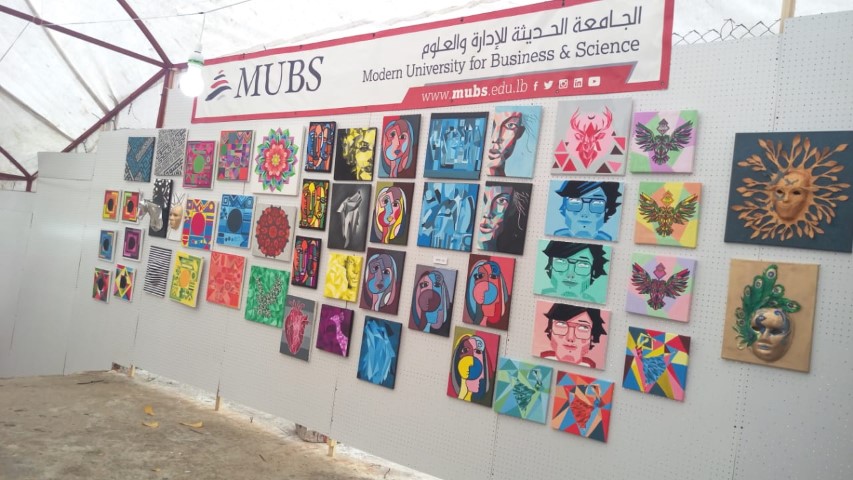
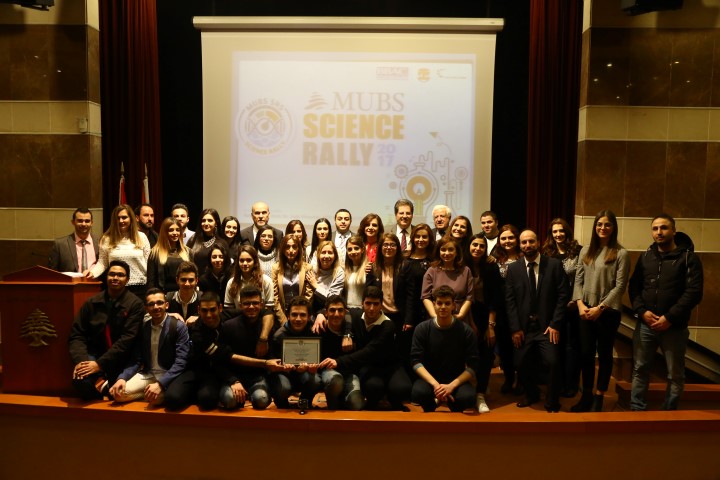
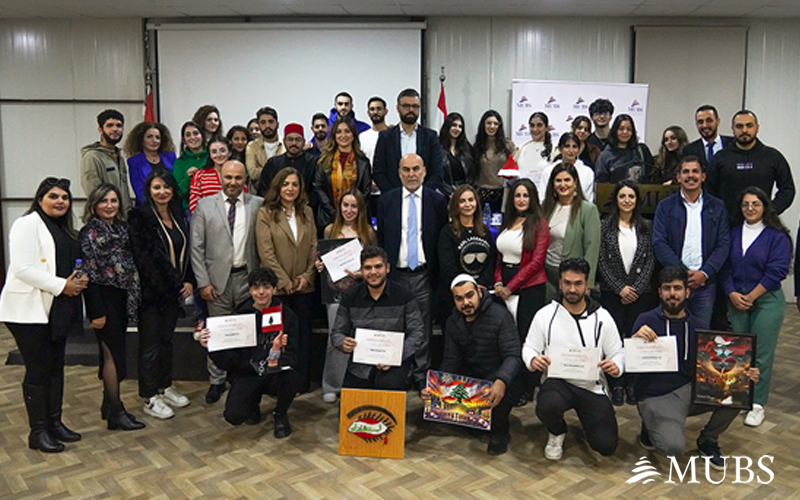
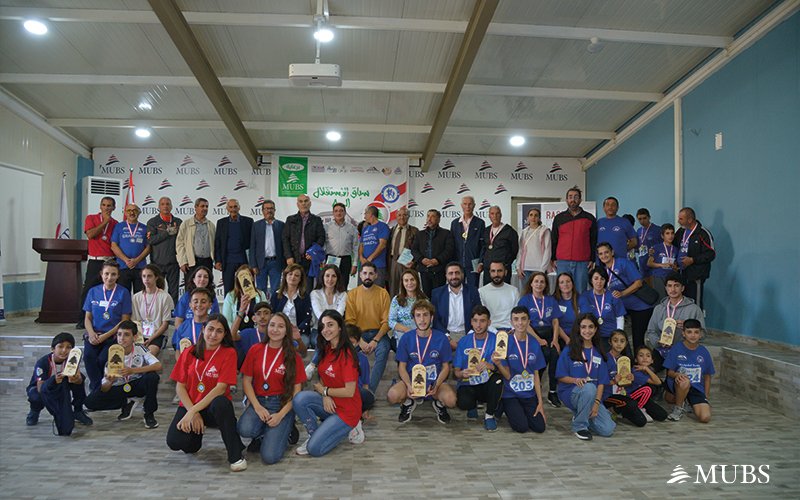
MUBS organizes innovative events for high school students providing scholarships for the winners.
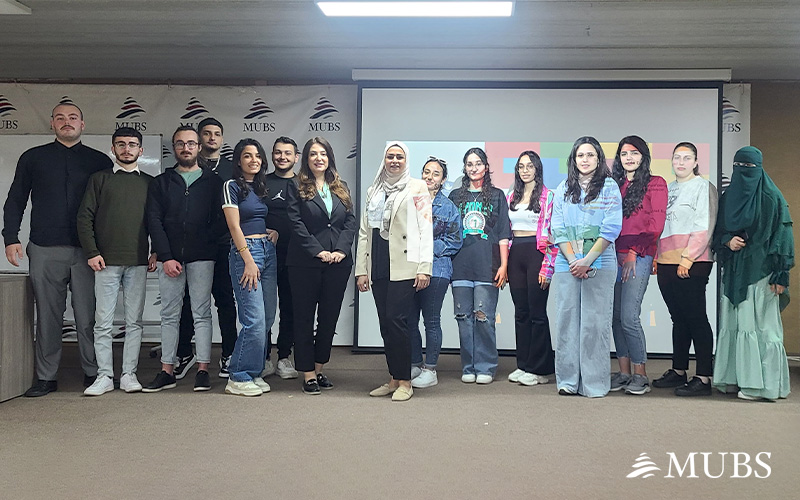
Student Success
Here are
some events and press releases supporting student success
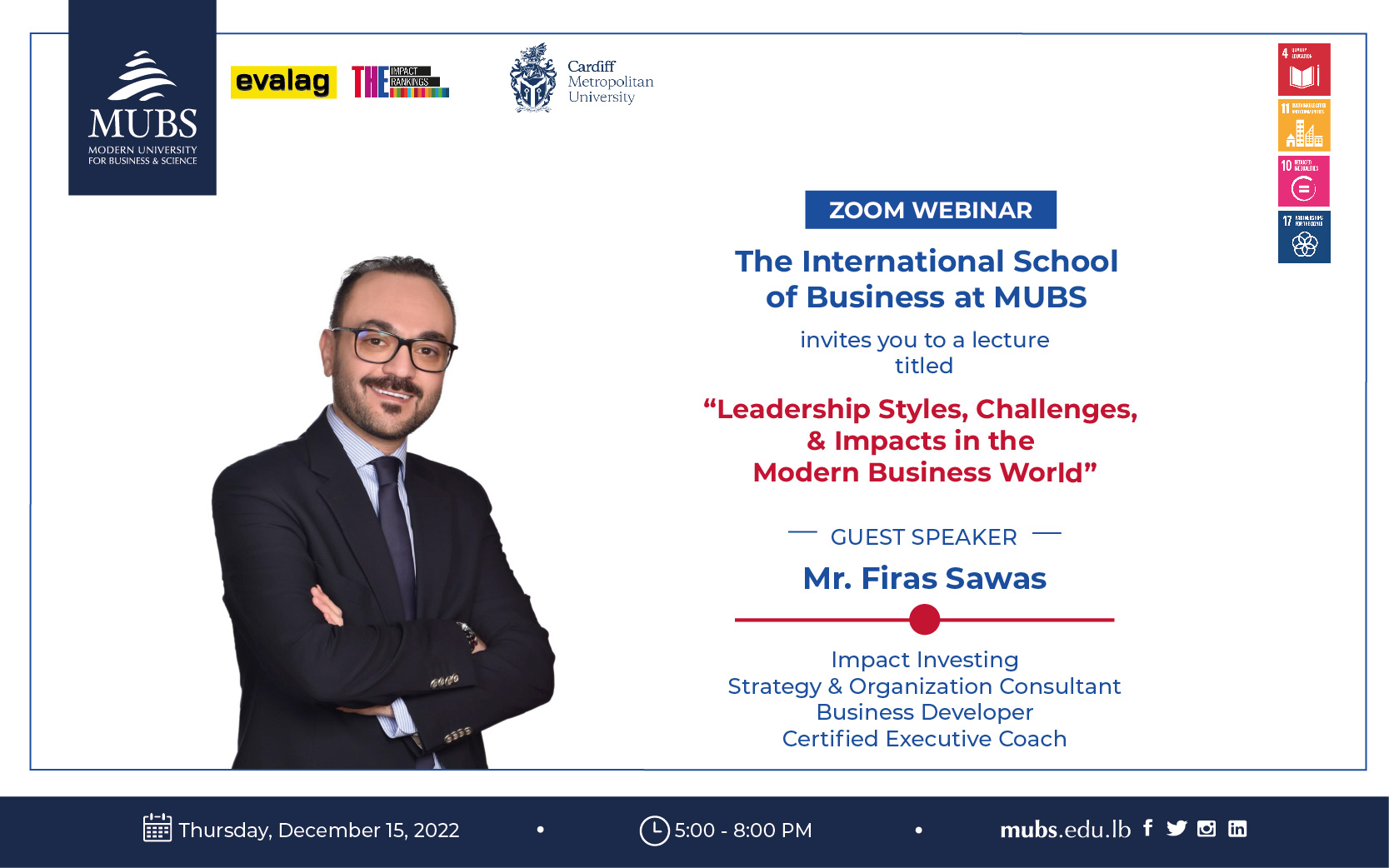
Assist Start-Up Sustainable Businesses
MUBS Improves Access to Basic Services
National and International Input
Relevant Research
Relevant Policies
In The News
SDG 1 Report


































.jpg)











.jpg)
.jpg)